



Glucose-6-Phosphate Dehydrogenase Activity Assay Kit provides a simple, reproducible, and sensitive tool of measuring glucose-6-phosphate dehydrogenase activity in plasma, serum, cell lysates, and other biological liquid samples
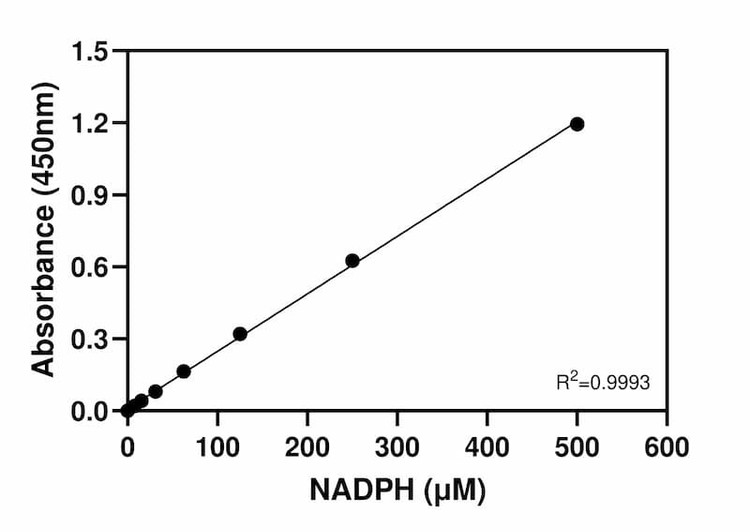
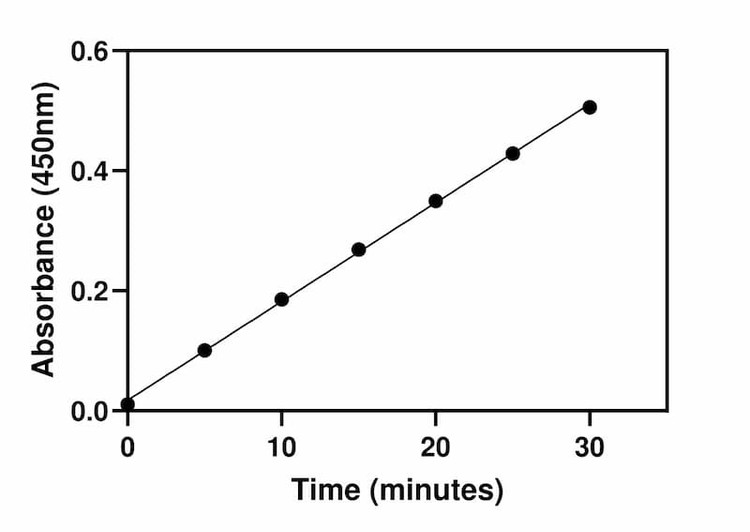
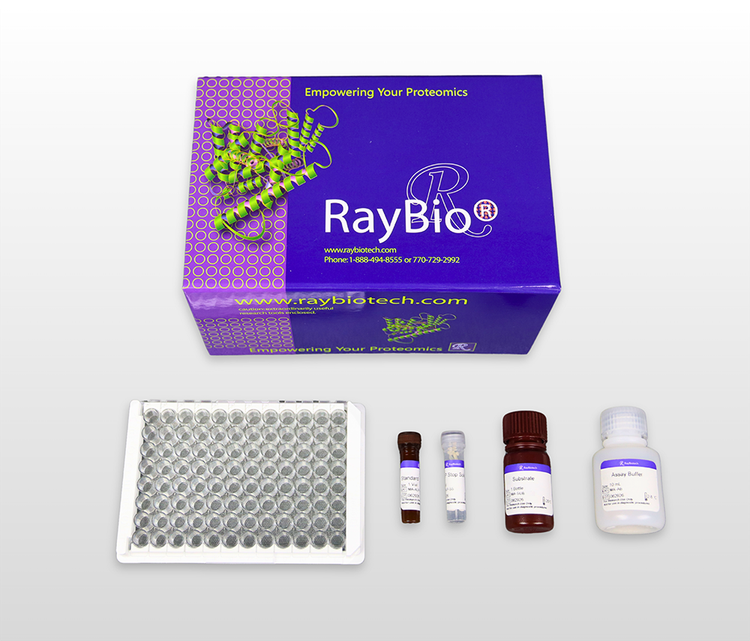
Absorbance at each standard concentration.
Glucose-6-Phosphate Dehydrogenase Activity Assay Kit (Colorimetric)
Contact Us for Bulk Request
Product Description
Specifications
| Size | 1 Plate Kit, 2 Plate Kit, 5 Plate Kit |
| Sensitivity | 0.3 U/L |
| Compatible Sample Types | Plasma, Serum, Cell Lysates |
| Quantitative/Semi-Quantitative | Quantitative |
| Solid Support | 96-well Microplate |
| Method Of Detection | Colorimetric |
| Research Area | Oxidative Stress, Disulfidptosis, Energy Metabolism, Glycolysis & Lipid Metabolism |
| Shipping Type | Blue ice |
| Storage | -20°C |
Related Products
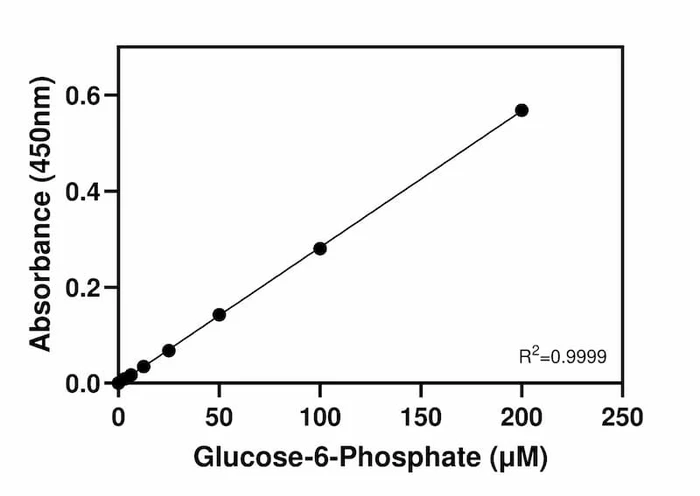
Glucose-6-Phosphate Assay Kit (Colorimetric)
As low as $399.00
Recombinant Human G6PD Protein, Antigen Grade
As low as $94.00
Recombinant Human G6PD Protein, HEK293 Lysate
$150.00
Introduction
Glucose-6-phosphate dehydrogenase (G6PD) is a key cytosolic enzyme, broadly distributed in many species. Within the pentose phosphate pathway (PPP), G6PD plays an important metabolic roll in generating pentose sugars, ribose 5-phosphate (nucleotide precursor), and NADPH. NADPH is critical during fatty acid synthesis and helps maintain glutathione levels in erythrocytes, protecting against oxidative damage. G6PD deficiency becomes especially lethal in red blood cells, where any oxidative stress will result in hemolytic anemia.
Glucose-6-Phosphate Dehydrogenase Activity Assay Kit provides a simple, reproducible, and sensitive tool of measuring glucose-6-phosphate Dehydrogenase Activity in plasma, serum, cell lysates, and other biological liquid samples. In this assay, glucose-6-phosphate dehydrogenase catalyzed the oxidation of glucose-6-phosphate, the formed NADPH is coupled to the colorimetric probe that produces a colored product which can be measured at 450 nm. The optical density measured is proportional to the glucose-6-phosphate dehydrogenase activity present in the sample.
Kit Components
| Component | Size / Description |
|---|---|
| Microplate | A 96-well plate |
| Assay Buffer | 15 mL |
| NADPH Standard | 1 vial |
| Glucose-6-Phosphate Dehydrogenase Positive Control | 1 vial |
| Substrate | 1 vial |
| Coupling Reagent | 1 vial |
| Cofactor | 1 vial |
| Colorimetric Probe | 1 vial |
Additional Materials Required
- Microplate reader capable of measuring absorbance at 450 nm
- Precision pipettes to deliver 2 μL to 1 mL volumes
- Tubes to prepare sample dilutions
- 50 mL conical tubes
- MilliQ water or other type of double distilled water (ddH2O)
Assay Procedure Summary
- Prepare the Reaction Mix, Background Mix, and diluted positive control before use.
- Add the diluted NADPH standards, positive controls or samples to the 96-well microtiter plate.
- Initiate the reaction by adding Reaction Mix to standards, positive controls and sample wells, and Background Mix to sample background wells.
- Carefully shake the plate for a few seconds to mix.
- Ensure that the plate reader is prepared for a kinetic assay. Monitor the absorbance increase with a plate reader at 450 nm at room temperature. Protect from light.
For kinetic readings: Immediately start measuring absorbance continuously and record data every 5 minutes for 30 minutes with a plate reader at 450 nm.
Storage/Stability
The entire kit should be stored below -20°C for up to 6 months from the date of shipment.