

Guinea Pig Regulated On Activation In Normal T-Cell Expressed And Secreted (RANTES) ELISA Kit

Référence MBS2023249-48
Conditionnement : 48-Strip-Wells
Marque : MyBiosource
Contactez votre distributeur local :

Téléphone : +1 850 650 7790
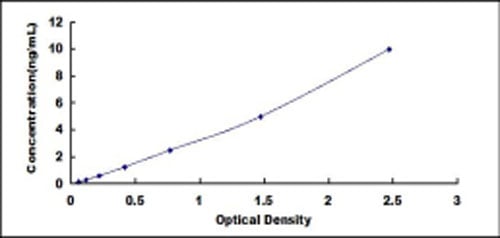
Regulated on Activation in Normal T-Cell Expressed and Secreted (RANTES) ELISA Kit for Guinea Pig
For Research Use Only. Not for use in diagnostic procedures. Special Promotion Catalog #: MBS2023249SPECIAL PROMOTION: Get FREE Starbucks gift card ( for 48-Wells-Kit or for 96-Wells-Kit. Maximum 5 gift cards/product). Gift card(s) will be included with shipment
The test principle applied in this kit is Sandwich enzyme immunoassay. The microtiter plate provided in this kit has been pre-coated with an antibody specific to Regulated On Activation In Normal T-Cell Expressed And Secreted (RANTES). Standards or samples… More details
Product Overview
Online Datasheet in PDFProduct Name
Regulated On Activation In Normal T-Cell Expressed And Secreted (RANTES), ELISA Kit
Full Product Name
Guinea Pig Regulated On Activation In Normal T-Cell Expressed And Secreted (RANTES) ELISA Kit
Product Gene Name
RANTES elisa kit
Product Synonym Names
CCL5; SCYA5; SISd; EoCP; Chemokine C-C-Motif Ligand 5; Eosinophil Chemotactic Cytokine; T-cell Specific Protein p288; Small Inducible Cytokine Subfamily A(Cys-Cys)Member 5
Species Reactivity
Guinea Pig
Assay Type
Double-antibody Sandwich
Samples
Serum, Plasma, Tissue homogenates, Cell lysates, Cell culture supernates and other biological fluids
Detection Range
0.156-10ng/mL
Sensitivity
0.055ng/mL
Specificity
This assay has high sensitivity and excellent specificity for detection of Regulated On Activation In Normal T-Cell Expressed And Secreted (RANTES).
No significant cross-reactivity or interference between Regulated On Activation In Normal T-Cell Expressed And Secreted (RANTES) and analogues was observed.
No significant cross-reactivity or interference between Regulated On Activation In Normal T-Cell Expressed And Secreted (RANTES) and analogues was observed.
Preparation and Storage
The stability of kit is determined by the loss rate of activity. The loss rate of this kit is less than 5% within the expiration date under appropriate storage condition.
To minimize extra influence on the performance, operation procedures and lab conditions, especially room temperature, air humidity, incubator temperature should be strictly controlled. It is also strongly suggested that the whole assay is performed by the same operator from the beginning to the end.
To minimize extra influence on the performance, operation procedures and lab conditions, especially room temperature, air humidity, incubator temperature should be strictly controlled. It is also strongly suggested that the whole assay is performed by the same operator from the beginning to the end.
Molecular Weight
9,990 Da
OMIM
187011
Supply Chain Verification
Manufactured in a lab with traceable raw materials. Bulk orders can typically be prepared to the customer’s specifications, please inquire.
Application
Enzyme-linked immunosorbent assay for Antigen Detection.
Intra-assay Precision (Precision within an assay)
3 samples with low, middle and high level Regulated On Activation In Normal T-Cell Expressed And Secreted (RANTES) were tested 20 times on one plate, respectively.
Inter-assay Precision (Precision between assays)
3 samples with low, middle and high level Regulated On Activation In Normal T-Cell Expressed And Secreted (RANTES) were tested on 3 different plates, 8 replicates in each plate.
CV(%) =
SD/meanX100
Intra-Assay
CV<10%
Inter-Assay
CV<12%
Product Categories/Family for RANTES elisa kit
Cytokine; Tumor immunity; Infection immunity; Immune molecule
ISO Certification
Manufactured in an ISO 9001:2015 and ISO 13485:2016 Certified Laboratory.
Other Notes
Small volumes of RANTES elisa kit vial(s) may occasionally become entrapped in the seal of the product vial during shipment and storage. If necessary, briefly centrifuge the vial on a tabletop centrifuge to dislodge any liquid in the container`s cap. Certain products may require to ship with dry ice and additional dry ice fee may apply.
Searchable Terms for RANTES purchase
MBS2023249 is a ready-to-use microwell, strip plate ELISA (enzyme-linked immunosorbent assay) Kit for analyzing the presence of the Regulated On Activation In Normal T-Cell Expressed And Secreted (RANTES) ELISA Kit target analytes in biological samples. The concentration gradients of the kit standards or positive controls render a theoretical kit detection range in biological research samples containing RANTES. The ELISA analytical biochemical technique of the MBS2023249 kit is based on RANTES antibody-RANTES antigen interactions (immunosorbency) and an HRP colorimetric detection system to detect RANTES antigen targets in samples. The ELISA Kit is designed to detect native, not recombinant, RANTES. Appropriate sample types may include undiluted body fluids and/or tissue homogenates, secretions. Quality control assays assessing reproducibility identified the intra-assay CV (%) and inter-assay CV(%).
Additional Details
NCBI/Uniprot data below describe general gene information for RANTES. It may not necessarily be applicable to this product.
NCBI Official Full Name
RANTES
NCBI Official Synonym Full Names
chemokine (C-C motif) ligand 5
NCBI Official Symbol
CCL5
NCBI Official Synonym Symbols
SISd; eoCP; SCYA5; RANTES; TCP228; D17S136E; SIS-delta
UniProt Protein Name
C-C motif chemokine 5
UniProt Synonym Protein Names
EoCP; Eosinophil chemotactic cytokine; SIS-delta; Small-inducible cytokine A5; T cell-specific protein P228; TCP228
UniProt Gene Name
CCL5
UniProt Synonym Gene Names
D17S136E; SCYA5; TCP228
UniProt Entry Name
CCL5_HUMAN
NCBI Protein Information
C-C motif chemokine 5
NCBI Summary for RANTES
This gene is one of several chemokine genes clustered on the q-arm of chromosome 17. Chemokines form a superfamily of secreted proteins involved in immunoregulatory and inflammatory processes. The superfamily is divided into four subfamilies based on the arrangement of the N-terminal cysteine residues of the mature peptide. This chemokine, a member of the CC subfamily, functions as a chemoattractant for blood monocytes, memory T helper cells and eosinophils. It causes the release of histamine from basophils and activates eosinophils. This cytokine is one of the major HIV-suppressive factors produced by CD8+ cells. It functions as one of the natural ligands for the chemokine receptor chemokine (C-C motif) receptor 5 (CCR5), and it suppresses in vitro replication of the R5 strains of HIV-1, which use CCR5 as a coreceptor. Alternative splicing results in multiple transcript variants that encode different isoforms. [provided by RefSeq, Jul 2013]
Show more UniProt Comments for RANTES
CCL5: Chemoattractant for blood monocytes, memory T-helper cells and eosinophils. Causes the release of histamine from basophils and activates eosinophils. Binds to CCR1, CCR3, CCR4 and CCR5. One of the major HIV-suppressive factors produced by CD8+ T- cells. Recombinant RANTES protein induces a dose-dependent inhibition of different strains of HIV-1, HIV-2, and simian immunodeficiency virus (SIV). The processed form RANTES(3-68) acts as a natural chemotaxis inhibitor and is a more potent inhibitor of HIV-1-infection. The second processed form RANTES(4-68) exhibits reduced chemotactic and HIV-suppressive activity compared with RANTES(1-68) and RANTES(3-68) and is generated by an unidentified enzyme associated with monocytes and neutrophils. By mitogens. T-cell and macrophage specific. Belongs to the intercrine beta (chemokine CC) family.
Protein type: Secreted; Motility/polarity/chemotaxis; Chemokine; Secreted, signal peptide; Cell adhesion
Chromosomal Location of Human Ortholog: 17q12
Cellular Component: extracellular space; cytoplasm; extracellular region
Molecular Function: protein homodimerization activity; protein self-association; receptor signaling protein tyrosine kinase activator activity; phosphoinositide phospholipase C activity; protein kinase activity; CCR4 chemokine receptor binding; CCR1 chemokine receptor binding; protein binding; chemokine receptor binding; chemokine activity; chemokine receptor antagonist activity; phospholipase activator activity; CCR5 chemokine receptor binding; chemoattractant activity
Biological Process: regulation of chronic inflammatory response; exocytosis; positive regulation of cell adhesion; response to toxin; positive regulation of smooth muscle cell proliferation; positive regulation of JAK-STAT cascade; chemotaxis; positive regulation of smooth muscle cell migration; positive regulation of cell-cell adhesion mediated by integrin; protein amino acid phosphorylation; positive regulation of homotypic cell-cell adhesion; positive regulation of translational initiation; monocyte chemotaxis; leukocyte adhesion; cell-cell signaling; positive chemotaxis; calcium ion transport; positive regulation of innate immune response; lipopolysaccharide-mediated signaling pathway; protein kinase B signaling cascade; dendritic cell chemotaxis; positive regulation of T cell proliferation; inflammatory response; protein tetramerization; phospholipase D activation; positive regulation of viral genome replication; neutrophil activation; negative regulation of G-protein coupled receptor protein signaling pathway; response to virus; MAPKKK cascade; positive regulation of cellular biosynthetic process; macrophage chemotaxis; cellular calcium ion homeostasis; positive regulation of phosphoinositide 3-kinase cascade; G-protein coupled receptor protein signaling pathway; cellular protein complex assembly; negative regulation of viral genome replication; positive regulation of tyrosine phosphorylation of STAT protein; eosinophil chemotaxis; positive regulation of calcium ion transport; regulation of insulin secretion; positive regulation of phosphorylation; positive regulation of epithelial cell proliferation; positive regulation of cell migration; regulation of T cell activation
Show more Protein type: Secreted; Motility/polarity/chemotaxis; Chemokine; Secreted, signal peptide; Cell adhesion
Chromosomal Location of Human Ortholog: 17q12
Cellular Component: extracellular space; cytoplasm; extracellular region
Molecular Function: protein homodimerization activity; protein self-association; receptor signaling protein tyrosine kinase activator activity; phosphoinositide phospholipase C activity; protein kinase activity; CCR4 chemokine receptor binding; CCR1 chemokine receptor binding; protein binding; chemokine receptor binding; chemokine activity; chemokine receptor antagonist activity; phospholipase activator activity; CCR5 chemokine receptor binding; chemoattractant activity
Biological Process: regulation of chronic inflammatory response; exocytosis; positive regulation of cell adhesion; response to toxin; positive regulation of smooth muscle cell proliferation; positive regulation of JAK-STAT cascade; chemotaxis; positive regulation of smooth muscle cell migration; positive regulation of cell-cell adhesion mediated by integrin; protein amino acid phosphorylation; positive regulation of homotypic cell-cell adhesion; positive regulation of translational initiation; monocyte chemotaxis; leukocyte adhesion; cell-cell signaling; positive chemotaxis; calcium ion transport; positive regulation of innate immune response; lipopolysaccharide-mediated signaling pathway; protein kinase B signaling cascade; dendritic cell chemotaxis; positive regulation of T cell proliferation; inflammatory response; protein tetramerization; phospholipase D activation; positive regulation of viral genome replication; neutrophil activation; negative regulation of G-protein coupled receptor protein signaling pathway; response to virus; MAPKKK cascade; positive regulation of cellular biosynthetic process; macrophage chemotaxis; cellular calcium ion homeostasis; positive regulation of phosphoinositide 3-kinase cascade; G-protein coupled receptor protein signaling pathway; cellular protein complex assembly; negative regulation of viral genome replication; positive regulation of tyrosine phosphorylation of STAT protein; eosinophil chemotaxis; positive regulation of calcium ion transport; regulation of insulin secretion; positive regulation of phosphorylation; positive regulation of epithelial cell proliferation; positive regulation of cell migration; regulation of T cell activation
Precautions
All of MyBioSource's Products are for scientific laboratory research purposes and are not for diagnostic, therapeutics, prophylactic or in vivo use. Through your purchase, you expressly represent and warrant to MyBioSource that you will properly test and use any Products purchased from MyBioSource in accordance with industry standards. MyBioSource and its authorized distributors reserve the right to refuse to process any order where we reasonably believe that the intended use will fall outside of our acceptable guidelines.
Disclaimer
While every efforts were made to ensure the accuracy of the information provided in this datasheet, MyBioSource will not be liable for any omissions or errors contained herein. MyBioSource reserves the right to make changes to this datasheet at any time without prior notice.
It is the responsibility of the customer to report product performance issues to MyBioSource within 30 days of receipt of the product. Please visit our Terms & Conditions page for more information.
It is the responsibility of the customer to report product performance issues to MyBioSource within 30 days of receipt of the product. Please visit our Terms & Conditions page for more information.
Product Note
Select online data sheet information is drawn from bioinformatics databases, occasionally resulting in ambiguous or non-relevant product information. It is the responsibility of the customer to review, verify, and evaluate the information to make sure it matches their requirements before purchasing the kit. Our ELISA Kit assays are dynamic research tools and sometimes they may be updated and improved. If the format of this assay is important to you then please request the current manual or contact our technical support team with a presales inquiry before placing an order. We will confirm the current details of the assay. We cannot guarantee the sample manual posted online is the most current manual, it is intended to serve as an example only. Please refer to the instructions For Use provided with the assay kit for precise details.
Product PubMed Publications
Products associated with RANTES elisa kit
| Reference Product | PubMed Publications |
|---|---|
| CCR5 elisa kit | >998 publications with RANTES and CCR5 |
| CXCL10 elisa kit | >638 publications with RANTES and CXCL10 |
| CCR1 elisa kit | >308 publications with RANTES and CCR1 |
| CXCL9 elisa kit | >238 publications with RANTES and CXCL9 |
| CCR3 elisa kit | >195 publications with RANTES and CCR3 |
| CXCR3 elisa kit | >146 publications with RANTES and CXCR3 |
| CCR4 elisa kit | >89 publications with RANTES and CCR4 |
| CXCL11 elisa kit | >87 publications with RANTES and CXCL11 |
| CXCR5 elisa kit | >15 publications with RANTES and CXCR5 |
Pathways associated with RANTES elisa kit
| Products by Pathway | Pathway Diagram |
|---|---|
| Chagas Disease (American Trypanosomiasis) Pathway antibodies | Chagas Disease (American Trypanosomiasis) Pathway Diagram |
| Chagas Disease (American Trypanosomiasis) Pathway antibodies | Chagas Disease (American Trypanosomiasis) Pathway Diagram |
| Chemokine Receptors Bind Chemokines Pathway antibodies | Chemokine Receptors Bind Chemokines Pathway Diagram |
| Chemokine Signaling Pathway antibodies | Chemokine Signaling Pathway Diagram |
| Chemokine Signaling Pathway antibodies | Chemokine Signaling Pathway Diagram |
| Class A/1 (Rhodopsin-like Receptors) Pathway antibodies | Class A/1 (Rhodopsin-like Receptors) Pathway Diagram |
| Cytokine-cytokine Receptor Interaction Pathway antibodies | Cytokine-cytokine Receptor Interaction Pathway Diagram |
| Cytokine-cytokine Receptor Interaction Pathway antibodies | Cytokine-cytokine Receptor Interaction Pathway Diagram |
| Cytosolic DNA-sensing Pathway antibodies | Cytosolic DNA-sensing Pathway Diagram |
| Cytosolic DNA-sensing Pathway antibodies | Cytosolic DNA-sensing Pathway Diagram |
Diseases associated with RANTES elisa kit
| Disease Name | Pubmed Publications |
|---|---|
| Inflammation Antibodies | >1606 publications with RANTES and Inflammation |
| Necrosis Antibodies | >874 publications with RANTES and Necrosis |
| Lung Diseases Antibodies | >467 publications with RANTES and Lung Diseases |
| Asthma Antibodies | >351 publications with RANTES and Asthma |
| Cardiovascular Diseases Antibodies | >295 publications with RANTES and Cardiovascular Diseases |
| Kidney Diseases Antibodies | >163 publications with RANTES and Kidney Diseases |
| Fibrosis Antibodies | >149 publications with RANTES and Fibrosis |
| Atherosclerosis Antibodies | >137 publications with RANTES and Atherosclerosis |
| Liver Diseases Antibodies | >137 publications with RANTES and Liver Diseases |
| Heart Diseases Antibodies | >115 publications with RANTES and Heart Diseases |
Organs/Tissues associated with RANTES elisa kit
| Organ/Tissue Name | Pubmed Publications |
|---|---|
| Blood Antibodies | >2712 publications with RANTES and Blood |
| Lung Antibodies | >574 publications with RANTES and Lung |
| Brain Antibodies | >344 publications with RANTES and Brain |
| Kidney Antibodies | >271 publications with RANTES and Kidney |
| Skin Antibodies | >242 publications with RANTES and Skin |
| Bone Antibodies | >239 publications with RANTES and Bone |
| Muscle Antibodies | >204 publications with RANTES and Muscle |
| Liver Antibodies | >201 publications with RANTES and Liver |
| Lymph Node Antibodies | >142 publications with RANTES and Lymph Node |
| Intestine Antibodies | >92 publications with RANTES and Intestine |