



TGF beta 1 ELISA Kit for cell culture supernatants, plasma, and serum samples. Pre-coated 96-well strip microplate kit. 18 pg/ml sensitivity.
Best Seller
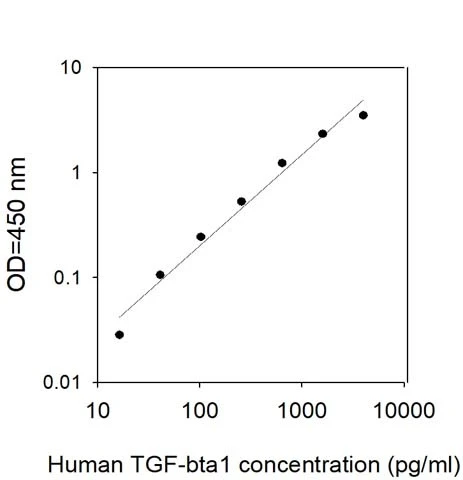

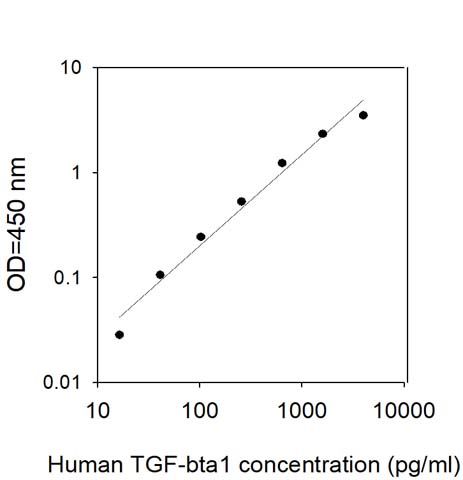
Human TGF-beta 1 ELISA Kit Standard Curve
Human TGF-beta 1 ELISA Kit
Contact Us for Bulk Request
Product Description
Specifications
| Size | 1 Plate Kit, 2 Plate Kit, 5 Plate Kit, 10 Plate Kit |
| Species | Human |
| Sensitivity | 18 pg/ml Need more sensitivity? Then your answer is our Ultrasensitive Biomarker Testing Service powered by Simoa™ technology. |
| Detection Range | 18 pg/ml - 4000 pg/ml |
| Specificity | This ELISA kit shows no cross-reactivity with any of the cytokines tested: Human ANG, CD23, Eotaxin, GCSF, GM-CSF, GRO-alpha, GRO-beta, GRO-gamma, I-309, IFN-gamma, IL-1 alpha, IL-1 beta, IL-3, IL-4, IL-5, IL-6, IL-7, IL-8, IL-10, IL-12 (p40), IL-12 (p70), IL-15, IL-16, IP-10, MCP-1, MCP-2, MCP-3, MCP-4, MCSF, MIG, MIP-1alpha, MIP-1beta, NAP-2, PDGF, PF-4, PARC, SCF, SDF-1alpha, TIMP-1, TIMP-2, TNF-alha, TGF-beta 2, TGF-beta 3, VEGF. |
| Compatible Sample Types | Cell Culture Supernatants, Plasma, Serum |
| Recommended Dilution (Serum/Plasma) | 20 fold after treatment |
| Accession Number | P01137 |
| Gene Id | 7040 |
| Gene Symbols | TGFB1, TGFB |
| Protein Name / Synonyms | Transforming growth factor beta-1 (TGF-beta-1) [Cleaved into: Latency-associated peptide (LAP)] |
| Quantitative/Semi-Quantitative | Quantitative |
| Solid Support | 96-well Microplate |
| Design Principle | Sandwich-based |
| Method Of Detection | Colorimetric |
| Research Area | Angiogenesis, Cardiovascular Disease, Cancer, Inflammation, TGF-beta Signaling |
| Shipping Type | Blue ice |
| Storage | ≤-20°C |
Related Products
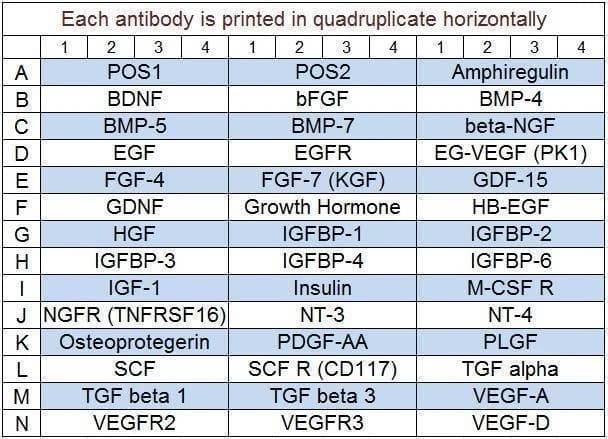
Human Growth Factor Array Q1
As low as $840.00
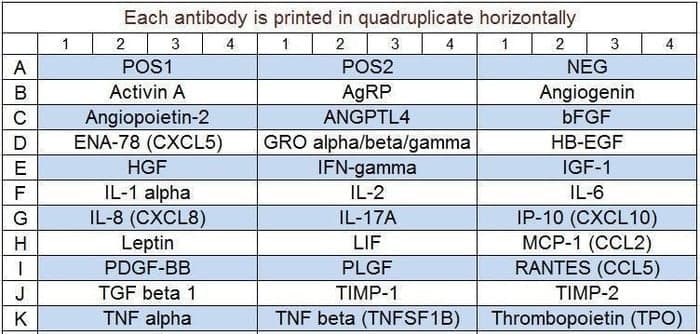
Human Angiogenesis Array Q2
As low as $945.00

Human Cytokine Array C3
As low as $440.00
Target Background
Transforming growth factor β1 (TGFB1) is a cytokine that has an important role in a number of different cellular functions, such as, proliferation, differentiation, chemotaxis, apoptosis and tumor suppression. It plays a crucial role in bone metabolism where is acts as a coupling factor between bone resorption and bone formation. TGFB1 has affinity to TGFB1, 2 and 3 receptors. Downstream TGFB1 signaling activates Smad proteins, mitogen-activated protein kinases and protein kinase B. Mutations in the gene can result in Camurati-Engelmann disease (characterized by increased bone density). Numerous cancer cells are also known to secrete increased levels of TGFB1.
Product Features
- Strip plates and additional reagents allow for use in multiple experiments
- Quantitative protein detection
- Establishes normal range
- The best products for confirmation of antibody array data
Standard Curves
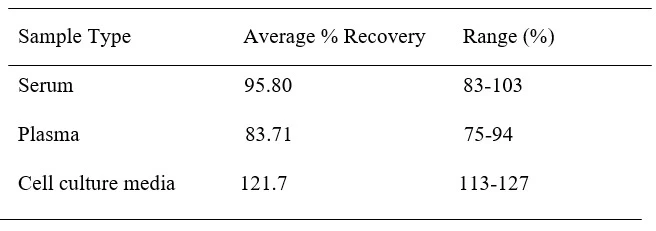
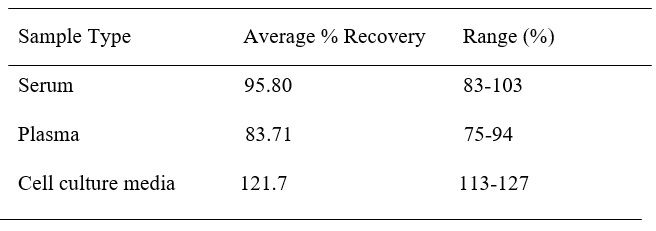
Spiking & Recovery Results
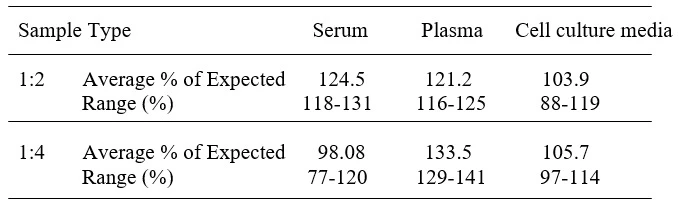
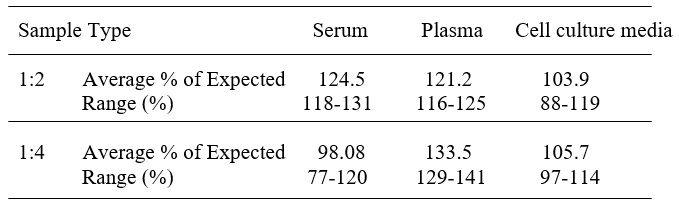
Linearity Results
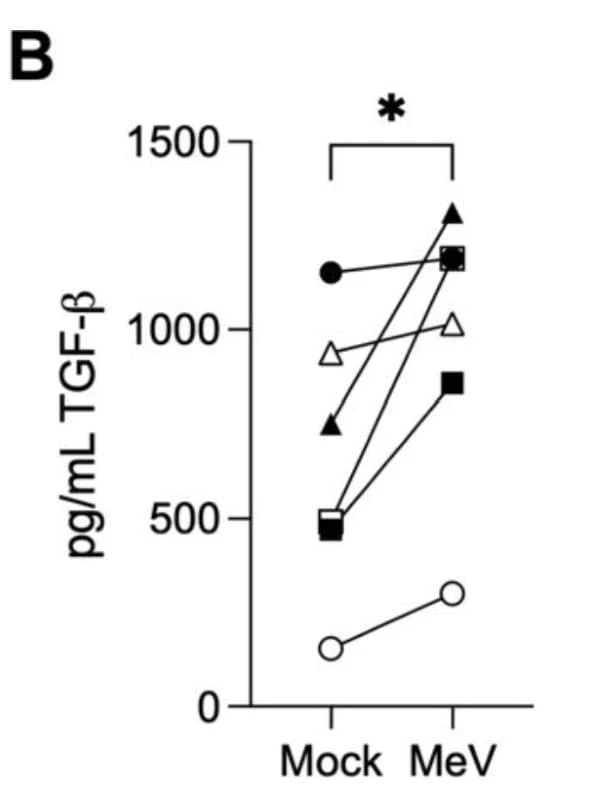
Typical Data
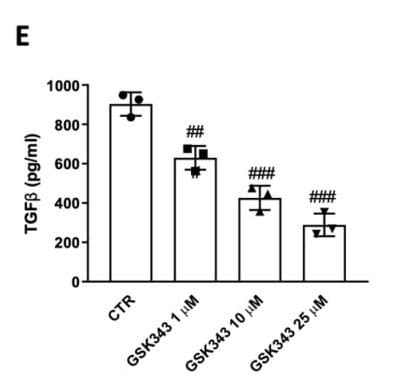
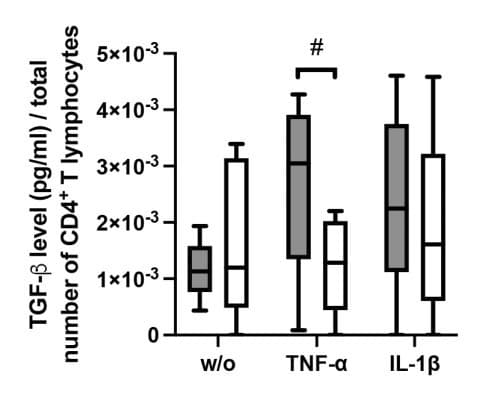
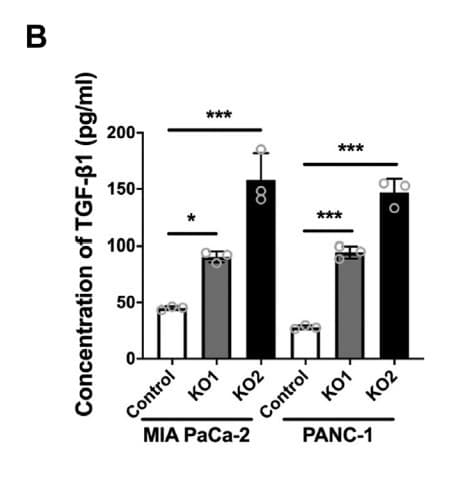
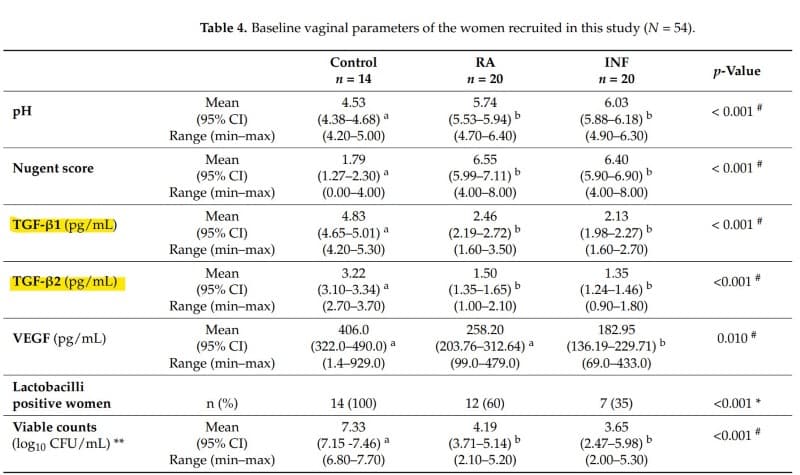
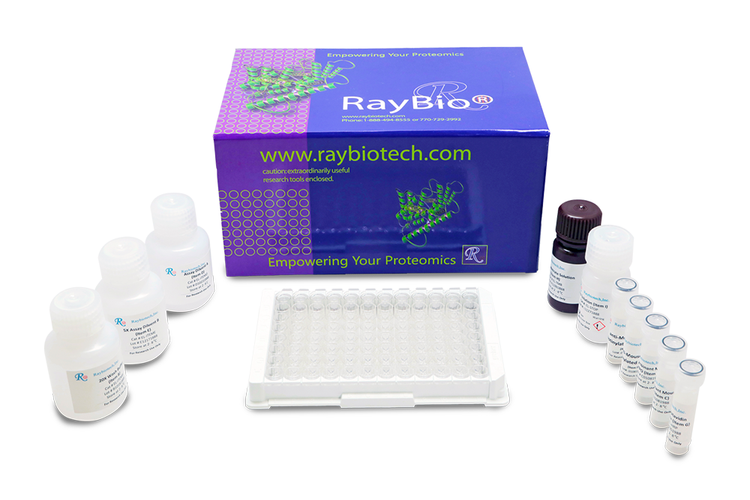
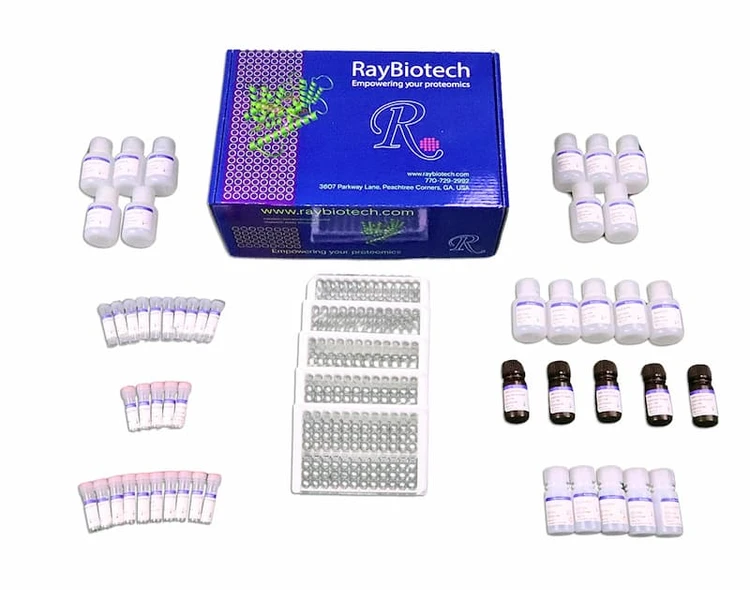
Kit Components
- Pre-Coated 96-well Strip Microplate
- Wash Buffer
- Stop Solution
- Assay Diluent(s)
- Lyophilized Standard
- Biotinylated Detection Antibody
- Streptavidin-Conjugated HRP
- TMB One-Step Substrate
Additional Materials Required
- Distilled or deionized water
- Precision pipettes to deliver 2 µL to 1 µL volumes
- Adjustable 1-25 µL pipettes for reagent preparation
- 100 µL and 1 liter graduated cylinders
- Tubes to prepare standard and sample dilutions
- Absorbent paper
- Microplate reader capable of measuring absorbance at 450nm
- Log-log graph paper or computer and software for ELISA data analysis
Assay Procedure Summary
- Prepare all reagents, samples and standards as instructed in the manual.
- Add 100 µL of standard or sample to each well.
- Incubate 2.5 h at RT or O/N at 4°C.
- Add 100 µL of prepared biotin antibody to each well.
- Incubate 1 h at RT.
- Add 100 µL of prepared Streptavidin solution to each well.
- Incubate 45 min at RT.
- Add 100 µL of TMB One-Step Substrate Reagent to each well.
- Incubate 30 min at RT.
- Add 50 µL of Stop Solution to each well.
- Read at 450 nm immediately.
Storage/Stability
The entire kit may be stored at -20°C for up to 1 year from the date of shipment. Avoid repeated freeze-thaw cycles. The kit may be stored at 4°C for up to 6 months. For extended storage, it is recommended to store at -80°C.
documents
citations
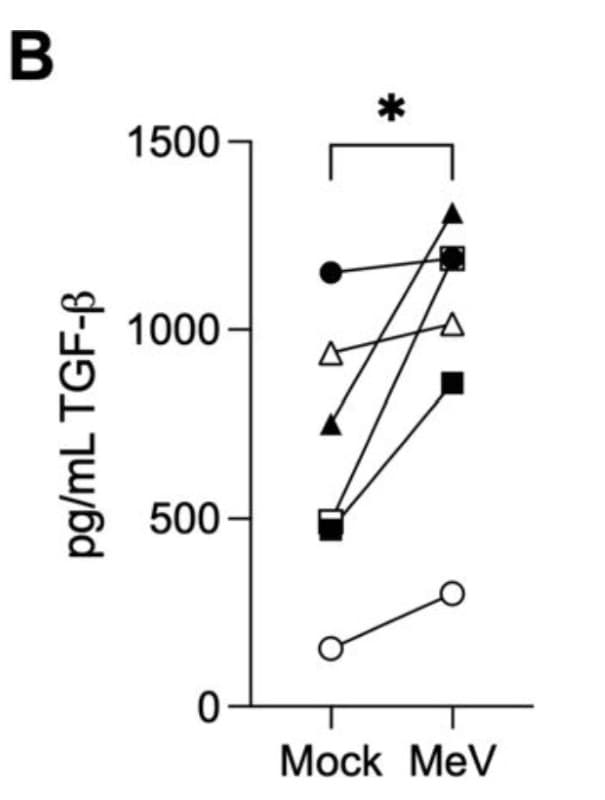
Epithelial-to-mesenchymal transition and live cell extrusion contribute to measles virus release from human airway epithelia
- Year:
- 2025
- Journal Name:
- Journal of Virology
- PubMed ID:
- 39791903
Aloin blocks the malignant behavior of lung squamous cell carcinoma cells and M2 macrophage polarization by modulating the NR3C2/MT1M axis
- Year:
- 2025
- Journal Name:
- J Integr Med
- PubMed ID:
- 40102085
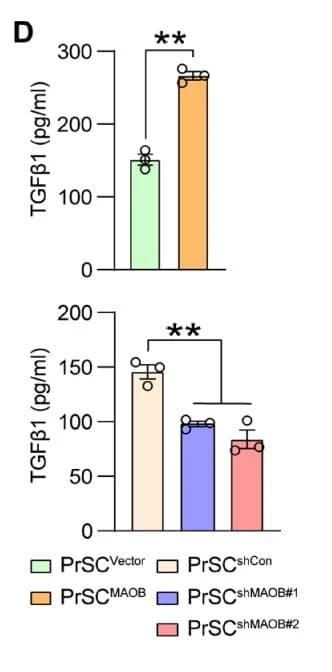
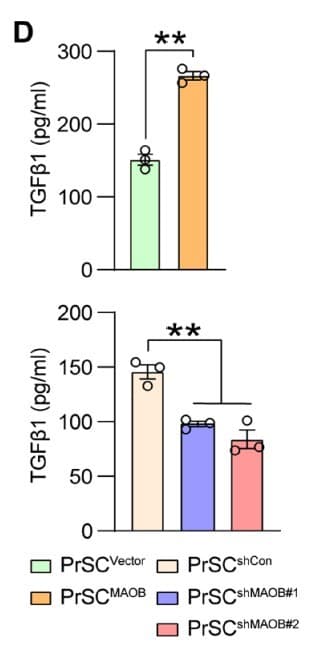
Stromal-derived MAOB promotes prostate cancer growth and progression
- Year:
- 2024
- Journal Name:
- Sci Adv
- PubMed ID:
- 38335292
EZH2 Inhibition to Counteract Oral Cancer Progression through Wnt/β-Catenin Pathway Modulation
- Year:
- 2024
- Journal Name:
- Pharmaceuticals (Basel)
- PubMed ID:
- 39204206
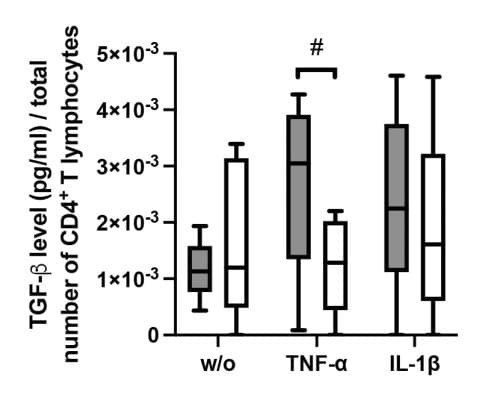
25-hydroxyvitamin D3 generates immunomodulatory plasticity in human periodontal ligament-derived mesenchymal stromal cells that is inflammatory context-dependent
- Species:
- Human
- Sample Type:
- Human periodontal ligament-derived mesenchymal stromal cells (hPDL-MSCs)
- Year:
- 2023
- Journal Name:
- Frontiers in immunology
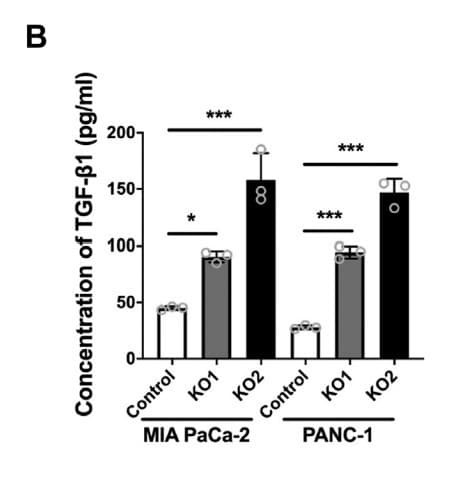
Ral GTPase promotes metastasis of pancreatic ductal adenocarcinoma via elevation of TGF-β1 production
- Species:
- Human
- Sample Type:
- MIA PaCa-2 cell, PANC-1 cell
- Year:
- 2023
- Journal Name:
- Journal of Biological Chemistry
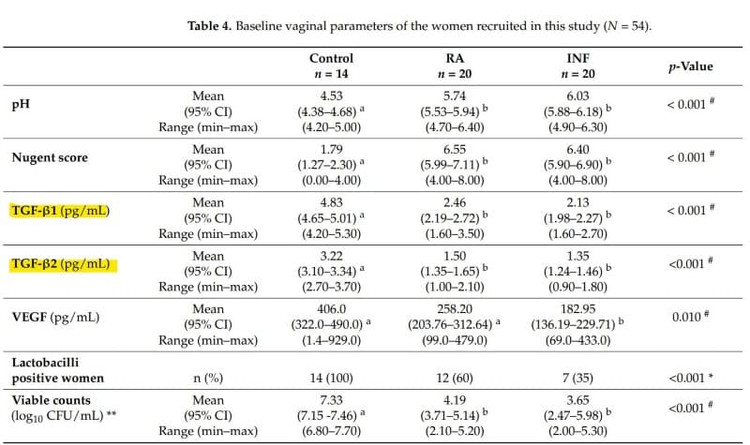
Immunomodulation of the Vaginal Ecosystem by Ligilactobacillus salivarius CECT 30632 Improves Pregnancy Rates among Women with Infertility of Unknown Origin or Habitual Abortions
- Species:
- Human
- Sample Type:
- cervicovaginal lavage (CVL) sample
- Year:
- 2023
- Journal Name:
- Nutrients
An optimized procedure for preparation of conditioned medium from Wharton’s jelly mesenchymal stromal cells isolated from umbilical cord
- Species:
- Human
- Sample Type:
- mesenchymal stromal cells (MSCs)
- Year:
- 2023
- Journal Name:
- Frontiers in molecular biosciences
Low vitamin D status is associated with inflammatory response in older patients with cerebral small vessel disease
- Species:
- Human
- Sample Type:
- Serum
- Year:
- 2023
- Journal Name:
- Journal of Neuroimmunology
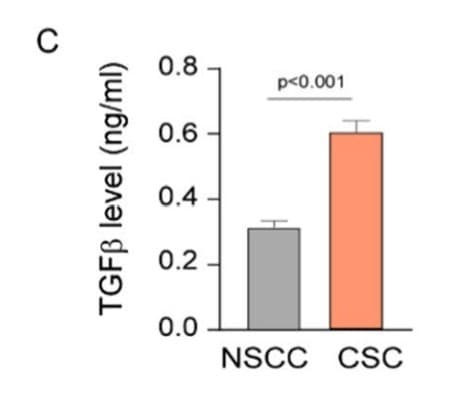
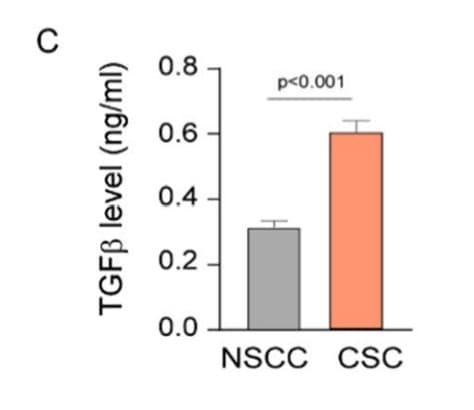
Breast cancer stem cells generate immune-suppressive T regulatory cells by secreting TGFβ to evade immune-elimination
- Year:
- 2023
- Journal Name:
- Discover oncology
- PubMed ID:
- 38038865