

Lycopersicon esculentum Lectin (LEL, Tomato Lectin, TL) (Biotin)

Référence L7785-25B-1mg
Conditionnement : 1mg
Marque : US Biological
Contactez votre distributeur local :
 Téléphone : +1 850 650 7790
L7785-25B Lycopersicon esculentum Lectin (LEL, Tomato Lectin, TL) (Biotin)
Grade
Molecular Biology GradeShipping Temp
Blue IceStorage Temp
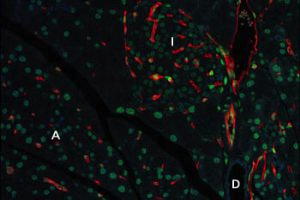
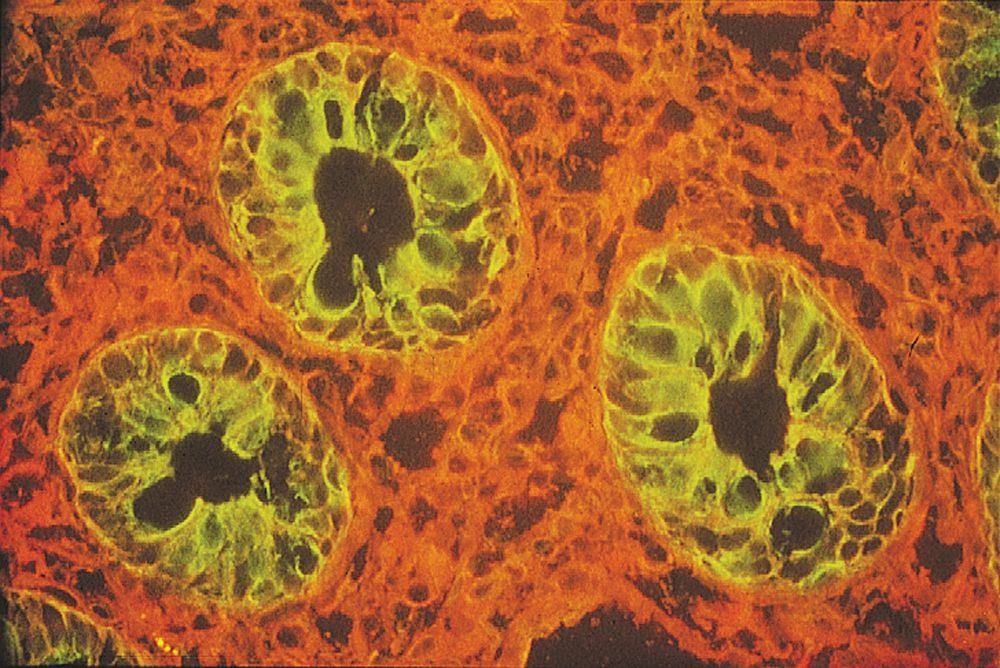
-20°CTomato lectin is a very stable glycoprotein containing about 50 percent arabinose and galactose. This lectin is composed of a single polypeptide of about 100,000D that may form aggregates in solution. Like other lectins that bind N-acetylglucosamine oligomers, tomato lectin prefers trimers and tetramers of this sugar. Tomato lectin, although sharing some specificities with potato, Datura lectin and wheat germ agglutinin, has been reported to be dissimilar in many respects. Tomato lectin binds well to such glycoproteins as glycophorin and Tamm-Horsfall glycoprotein. The tomato lectin complements our existing range of lectin reagents and should be a valuable tool in examining rodent tumor angiogenesis, tracing neovascular development in xenograft models and brain research. Tomato lectin (from Lycopersicon esculentum) is an effective marker of blood vessels and microglial cells in rodents. Conjugation of the lectin with biotin facilitates detection and visualization using intravascular perfusion methods or direct application to tissue sections. This biotinylated lectin conjugate is prepared from affinity-purified lectin and is optimally labeled with biotin. Essentially free of inactive lectin conjugate and containing no free biotin, this biotinylated lectin provides an ideal intermediate for examining glycoconjugates using the Biotin-Avidin System. First the biotin-labeled lectin is added, followed by an ABC Reagent, Avidin D conjugate, or streptavidin derivative. Another possible application is in the isolation of lymphokines and other products of mitogenic stimulation.
Applications:
Suitable for use in ELISA, Western Blot and Immunohistochemistry. Other applications not tested.
Recommended Dilutions:
Optimal dilutions to be determined by the researcher.
Sugar Specificity:
[GlcNac]1-3, N-Acetylglucosamine
Storage and Stability:
May be stored at 4°C for short-term only. Aliquot to avoid repeated freezing and thawing. Store at -20°C. Aliquots are stable for 6 months after receipt at -20°C. For maximum recovery of product, centrifuge the original vial after thawing and prior to removing the cap. Further dilutions can be made in assay buffer.