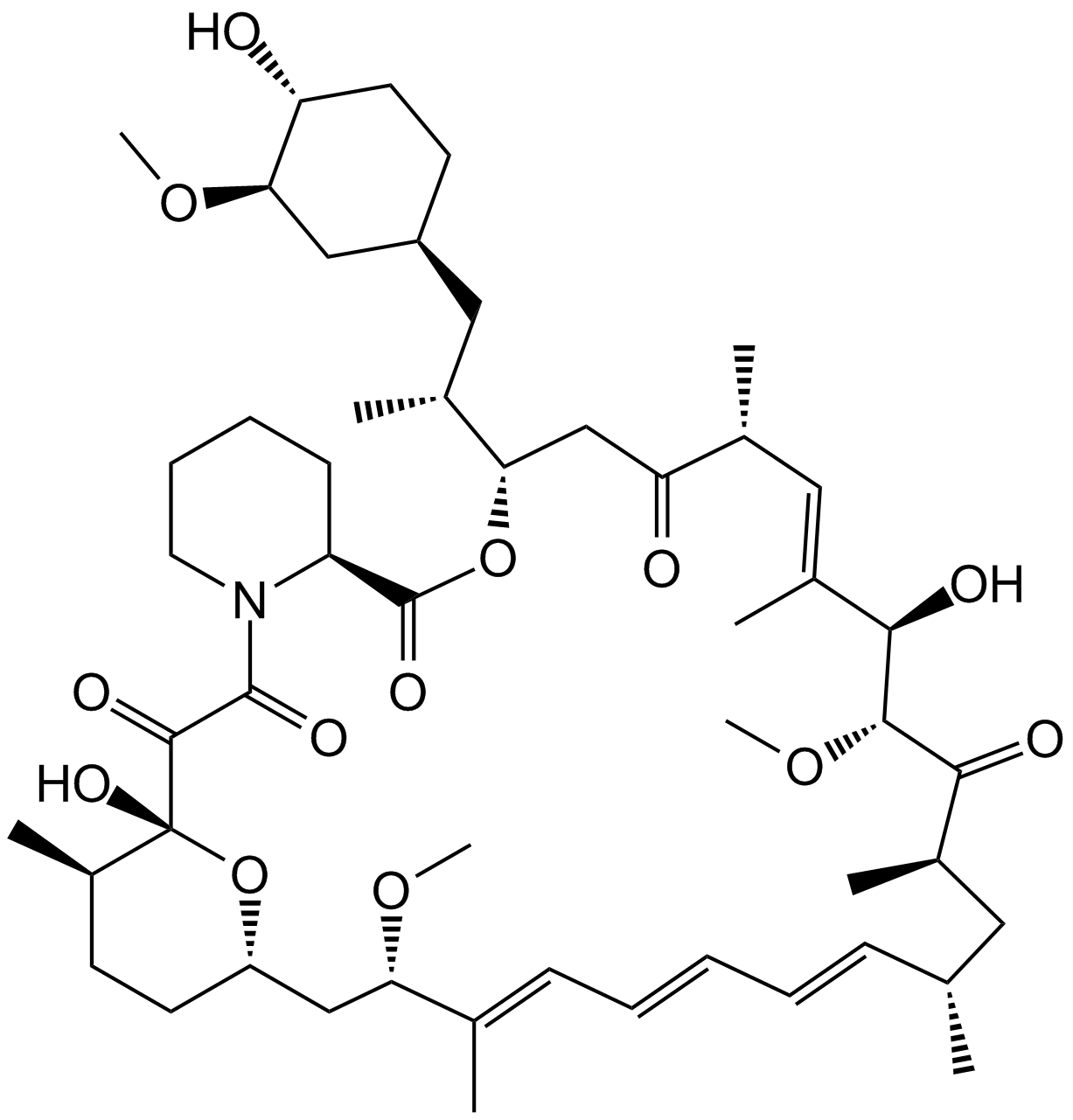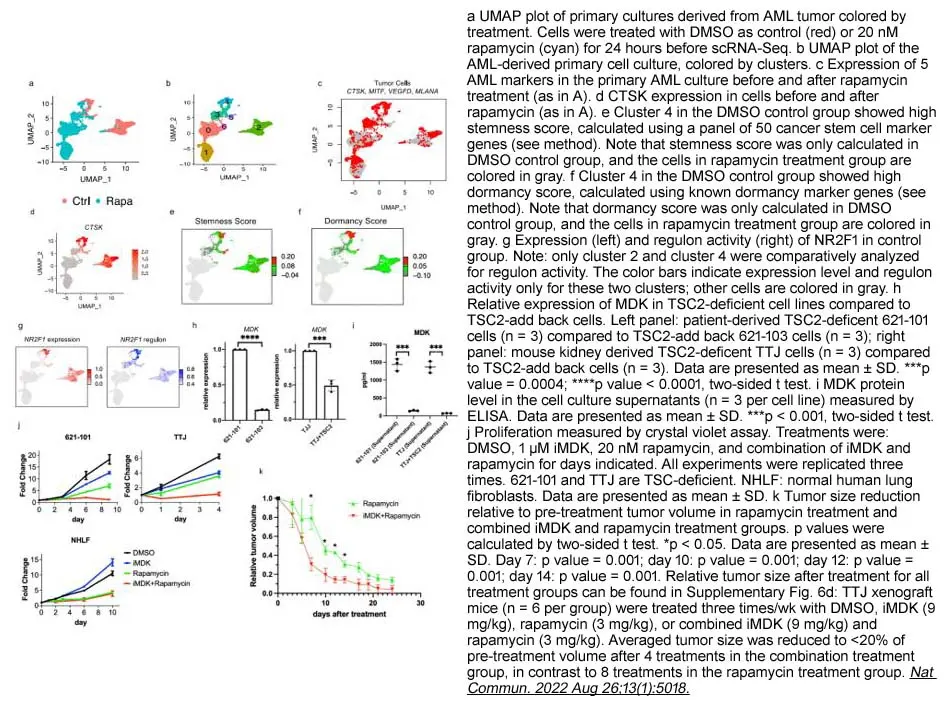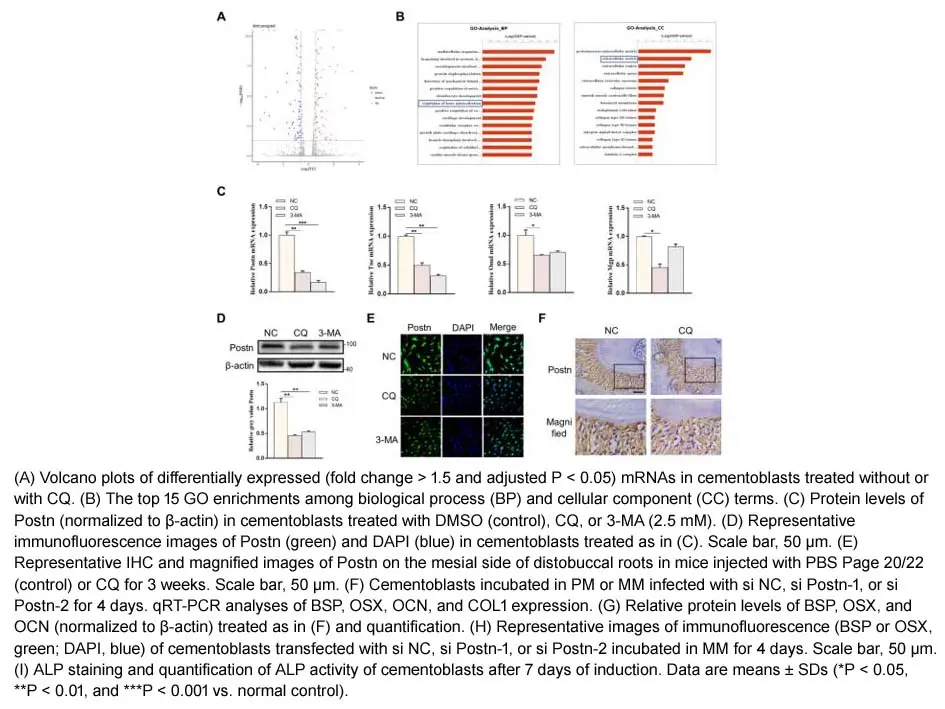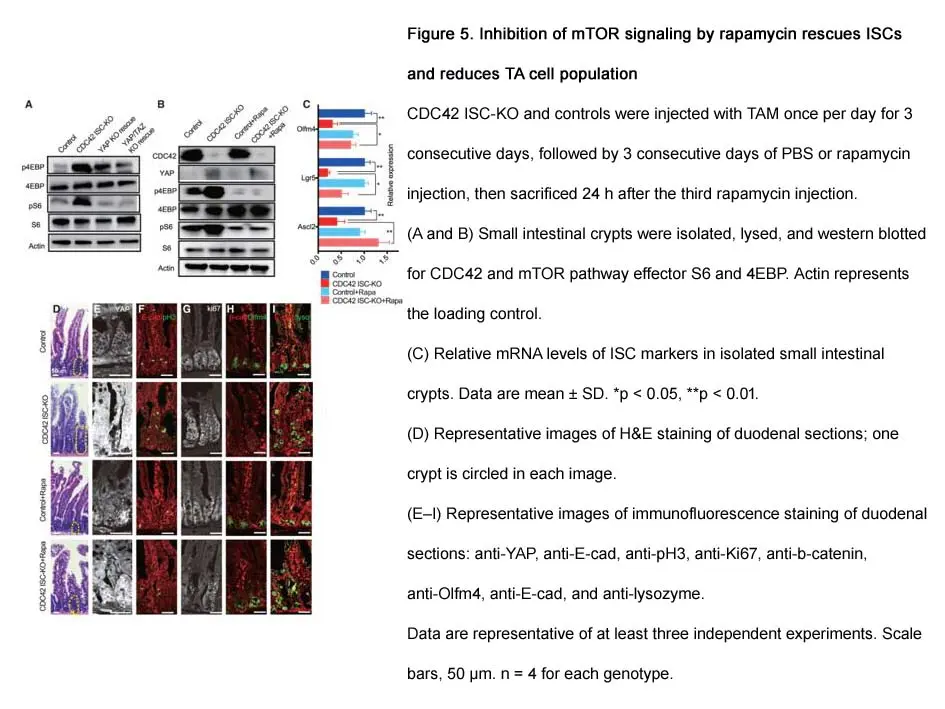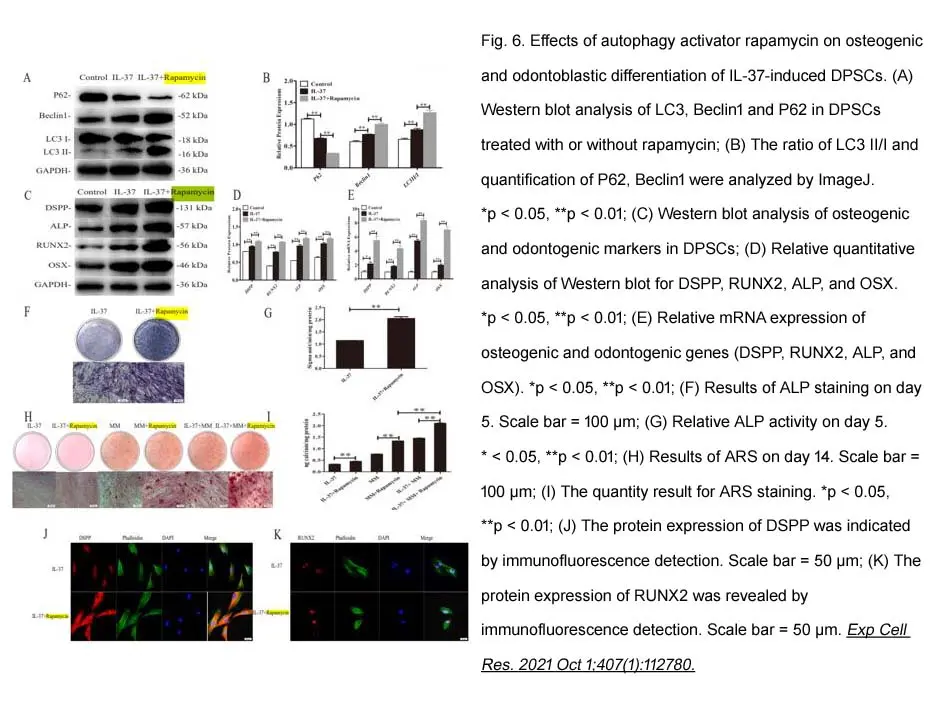

Rapamycin (Sirolimus) [53123-88-9]

Référence A8167-5mg
Conditionnement : 5mg
Marque : APExBIO Technology
Contactez votre distributeur local :

Téléphone : +1 850 650 7790
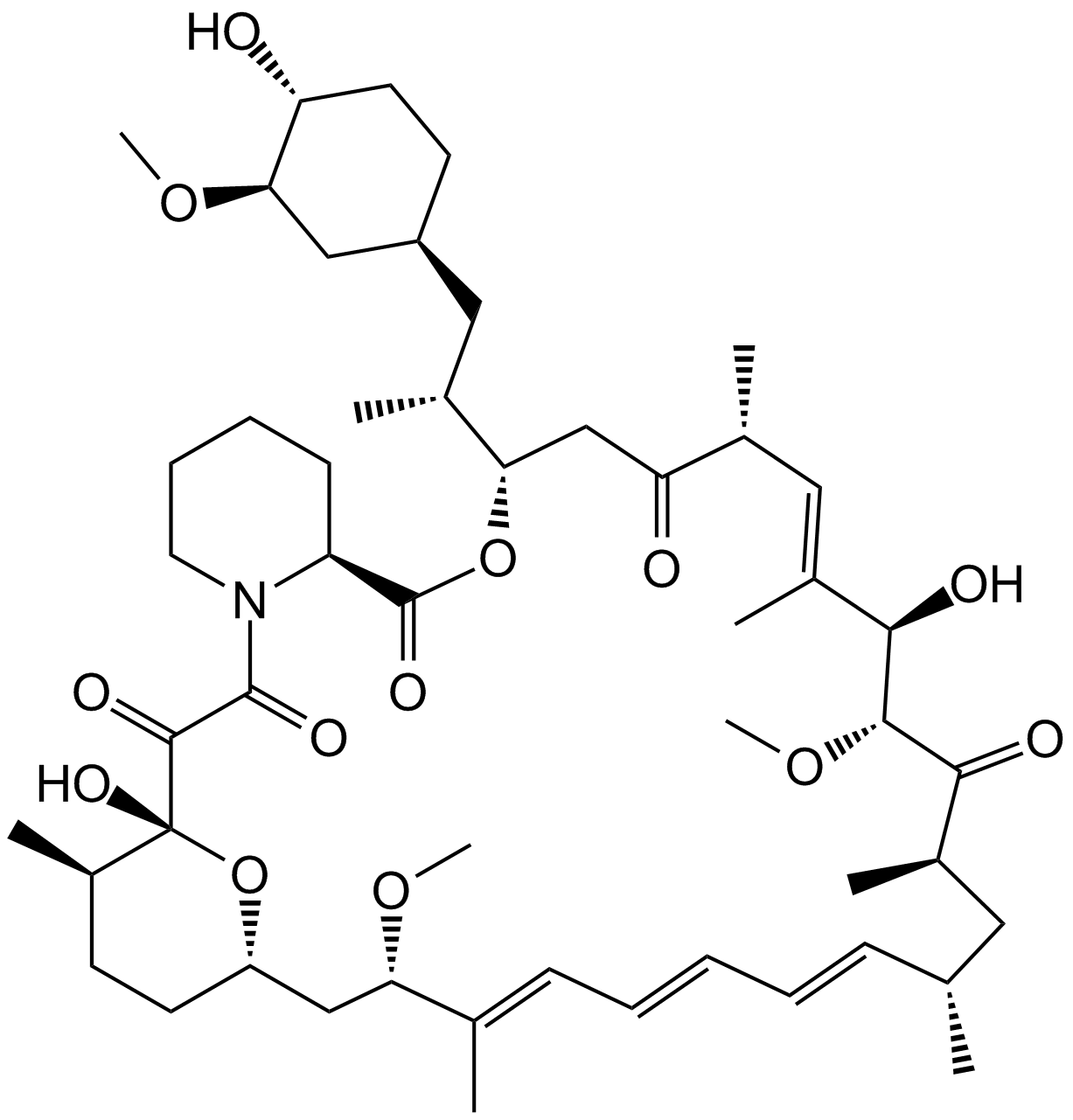
Rapamycin (Sirolimus; CAS 53123-88-9) is an antifungal antibiotic originally isolated from the bacterium Streptomyces hygroscopicus. It serves as an immunosuppressant agent, widely employed in research to prevent graft rejection by inhibiting T-cell activation and proliferation. Rapamycin exerts its biological function by binding intracellularly to FK-binding protein 12 (FKBP12), forming a rapamycin-FKBP12 complex that inhibits mTOR (mechanistic target of rapamycin), a serine-threonine kinase involved in cell cycle control, cell growth, and metabolism. This compound is often used experimentally to study mTOR signaling pathways in cancer biology and immunological research, frequently showing inhibitory activities with an IC50 range of approximately 0.1-20 nM in various cell-based assays.
References:
1. Sehgal, Suren N. "Rapamune®(RAPA, rapamycin, sirolimus): mechanism of action immunosuppressive effect results from blockade of signal transduction and inhibition of cell cycle progression." Clinical biochemistry 31.5 (1998): 335-340.
2. Sehgal, S. N., H. Baker, and Claude Vézina. "Rapamycin (AY-22,989), a new antifungal antibiotic. II. Fermentation, isolation and characterization." The Journal of antibiotics 28.10 (1975): 727-732.
- 1. Tan Ma, Chenghao Shen, et al. "Embryonic Dibutyl Phthalate Exposure Disrupts Sertoli Cell Glycolipid Metabolism to Drive Premature Spermatogenesis in PND 22 Male Offspring: A Role for the AMPK/autophagy axis." Toxicology. 2026 Dec:527:154588. PMID: 42744185
- 2. Zhengyu Qi, Xinge Chu, et al. "Macelignan, a lignan from Myristica fragrans Houtt., rescues mitochondrial homeostasis and prevents cognitive decline in vascular dementia by modulating the mTOR-Mitophagy axis." Journal of Ethnopharmacology Volume 355, Part A, 30 January 2026, 120603. PMID: 40946820
- 3. Zhenpeng Li, An Jiang, Bengang Qin. "Therapeutic Intervention of Corticospinal Tract Sprouting after Unilateral Traumatic Brain Injury via METTL1-Mediated tRNA m7G Modification." Mol Neurobiol 63, 285 (2026).
- 4. Angeles Romina Arena, Mara Roxana Rubinstein, et al. "Ketamine reduces microglial activation and brain monocyte infiltration and promotes peripheral regulatory immune cells, relieving lipopolysaccharide (LPS)-induced depressive-like behavior in mice." Mol Psychiatry. 2025 Nov 18. PMID: 41254322
- 5. Nicholas W Harper, Gavin A Birdsall, et al. "RNA Pol II inhibition activates cell death independently from the loss of transcription." Cell. 2025 Aug 14:S0092-8674(25)00856-6. PMID: 40818455
- 6. Jing Ma, Lu Ding, et al. "Qimai Feiluoping Decoction Inhibits EndMT to Alleviate Pulmonary Fibrosis by Reducing PI3K/AKT/mTOR Pathway-Mediated the Restoration of Autophagy." J Inflamm Res. 2025 Jun 26:18:8447-8475. PMID: 40589610
| Physical Appearance | A solid |
| Storage | Desiccate at -20°C |
| M.Wt | 914.18 |
| Cas No. | 53123-88-9 |
| Formula | C51H79NO13 |
| Synonyms | Sirolimus,(-)-Rapamycin, AY-22989, WY-090217, Antibiotic AY22989 |
| Solubility | ≥45.7 mg/mL in DMSO; insoluble in H2O; ≥58.9 mg/mL in EtOH with ultrasonic |
| Canonical SMILES | O=C([C@@]1(O)[C@@H](CC[C@@H](C[C@@H](/C(C)=C/C=C/C=C/[C@H](C[C@@H](C)C([C@@H]([C@@H](/C(C)=C/[C@H]2C)O)OC)=O)C)OC)O1)C)C(N3CCCC[C@H]3C(O[C@@H](CC2=O)[C@@H](C[C@H]4C[C@H]([C@H](O)CC4)OC)C)=O)=O |
| Shipping Condition | Small Molecules with Blue Ice, Modified Nucleotides with Dry Ice. |
| General tips | We do not recommend long-term storage for the solution, please use it up soon. |
| Cell experiment[1]: | |
| Cell lines | Hepatocyte growth factor (HGF)-induced lens epithelial cells (LECs) |
| Preparation method | The solubility of this compound in DMSO is >10 mM. General tips for obtaining a higher concentration: Please warm the tube at 37 °C for 10 minutes and/or shake it in the ultrasonic bath for a while.Stock solution can be stored below -20°C for several months. |
| Reaction Conditions | 10 ng/ml, 72h |
| Applications | Using cell proliferation, cell viability and flow cytometric apoptosis assays, we found that rapamycin potently not only suppressed proliferation but also induced the apoptosis of LECs in a dose-dependent manner under HGF administration. Further investigation of the underlying mechanism using siRNA transfection revealed that rapamycin could promote apoptosis of LECs via inhibiting HGF-induced phosphorylation of AKT/mTOR, ERK and JAK2/STAT3 signaling molecules. Moreover, the forced expression of AKT, ERK and STAT3 could induce a significant suppression of apoptosis in these cells after treatment of rapamycin. |
| Animal experiment[1]: | |
| Animal models | Ndufs4(−/−) mice |
| Dosage form | 8 mg/kg every other day, intraperitoneal injection |
| Applications | Rapamycin, a specific inhibitor of the mechanistic target of rapamycin (mTOR) signaling pathway, robustly enhances survival and attenuates disease progression in a mouse model of Leigh syndrome. Administration of rapamycin to these mice, which are deficient in the mitochondrial respiratory chain subunit Ndufs4 [NADH dehydrogenase (ubiquinone) Fe-S protein 4], delays onset of neurological symptoms, reduces neuroinflammation, and prevents brain lesions. Although the precise mechanism of rescue remains to be determined, rapamycin induces a metabolic shift toward amino acid catabolism and away from glycolysis, alleviating the buildup of glycolytic intermediates. This therapeutic strategy may prove relevant for a broad range of mitochondrial diseases. |
| Other notes | Please test the solubility of all compounds indoor, and the actual solubility may slightly differ with the theoretical value. This is caused by an experimental system error and it is normal. |
| References: 1. Tian F, Dong L, Zhou Y et al. Rapamycin-Induced Apoptosis in HGF-Stimulated Lens Epithelial Cells by AKT/mTOR, ERK and JAK2/STAT3 Pathways. Int J Mol Sci. 2014 Aug 11;15(8):13833-48. 2. Johnson SC1, Yanos ME, Kayser EB et al. mTOR inhibition alleviates mitochondrial disease in a mouse model of Leigh syndrome. Science. 2013 Dec 20;342(6165):1524-8. | |
| Description | Rapamycin (Sirolimus, AY-22989, WY-090217) is a specific inhibitor of mTOR with IC50 of ~0.1 nM. | |||||
| Targets | mTOR | |||||
| IC50 | ~0.1 nM | |||||
Quality Control & MSDS
- View current batch: