



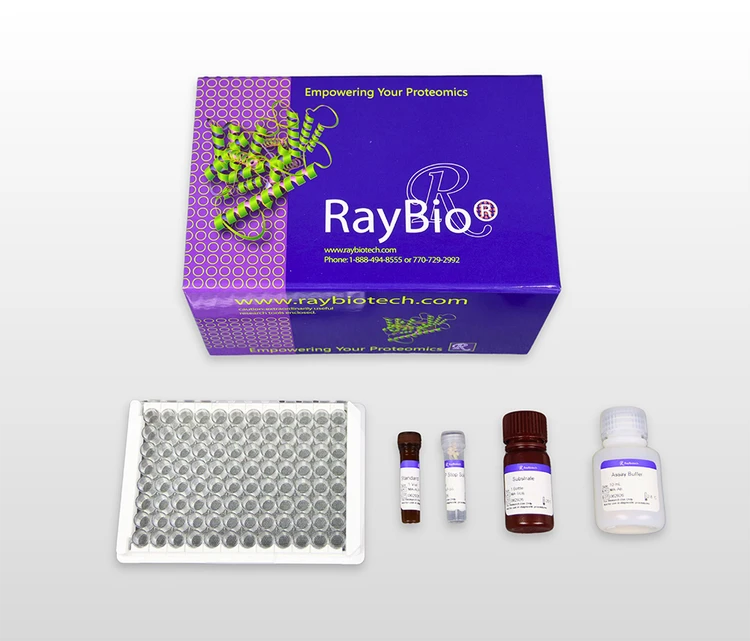
The RayBiotech Pyruvate Assay Kit provides a simple, reproducible, and sensitive tool of measuring pyruvate concentration in plasma, serum, cell lysates, saliva, urine and other biological liquid samples.
Pyruvate Assay Kit (Colorimetric)
Pyruvate Assay Kit (Colorimetric)
Contact Us for Bulk Request
Product Description
Specifications
| Size | 1 Plate Kit, 2 Plate Kit, 5 Plate Kit |
| Sensitivity | 3 µM |
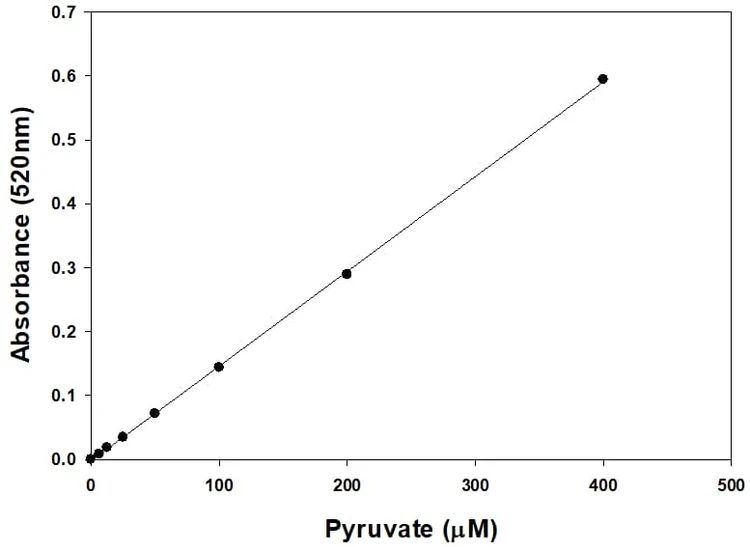
| Detection Range | 3 µM - 500 µM |
| Compatible Sample Types | Plasma, Serum, Tissue Lysates, Cell Lysates, Saliva, Urine |
| Quantitative/Semi-Quantitative | Quantitative |
| Solid Support | 96-well Microplate |
| Method Of Detection | Colorimetric |
| Research Area | Energy Metabolism, Glycolysis & Lipid Metabolism, Liver & Renal Function |
| Shipping Type | Blue ice |
| Storage | ≤-20°C |
Related Products
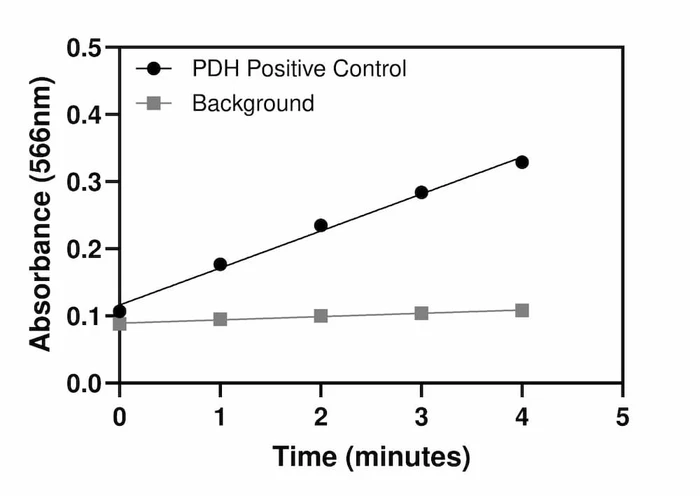
Pyruvate Dehydrogenase (PDH) Activity Assay Kit
As low as $449.00
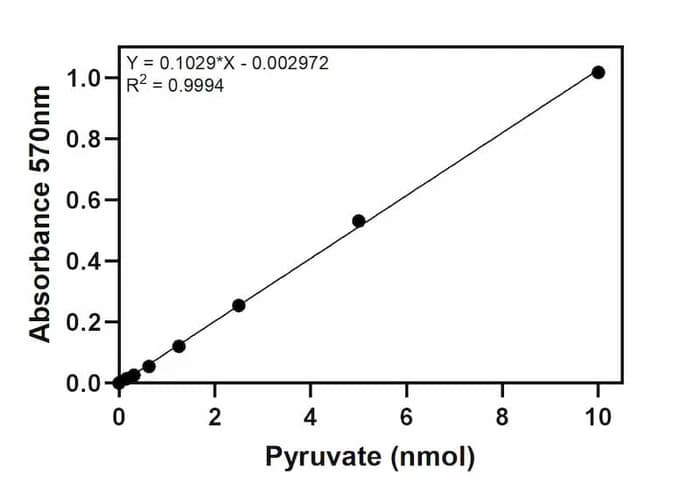
Pyruvate Kinase Activity Assay Kit (Colorimetric)
As low as $419.00
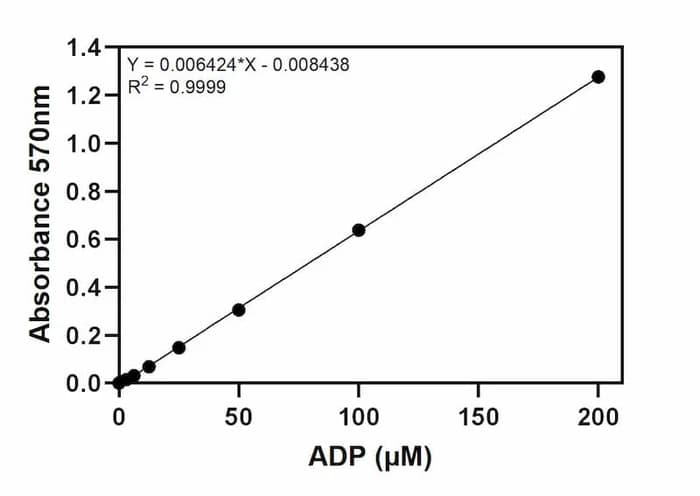
ADP Assay Kit (Colorimetric)
As low as $419.00
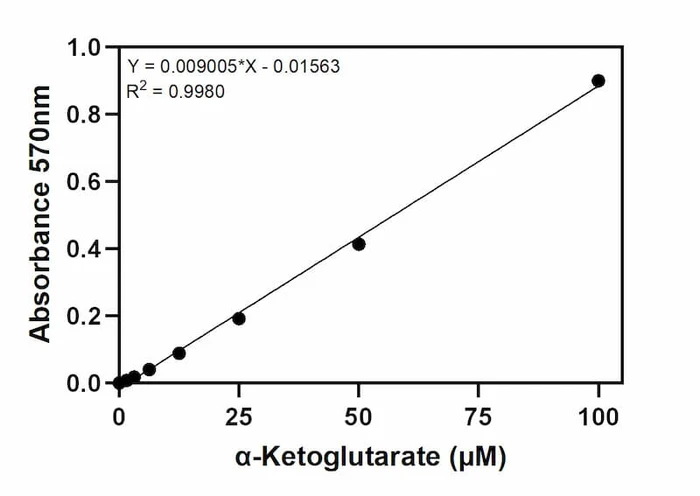
Introduction
Pyruvate, the conjugate base of pyruvic acid, is an alpha-keto acid that serves as a key intermediate in several metabolic pathways. It is synthesized from glucose through the glycolytic pathway and can be converted back to carbohydrates through gluconeogenesis. Pyruvate plays a role in the synthesis of fatty acids via a reaction involving acetyl-CoA and contributes to the production of the amino acid alanine. Pyruvate serves as a vital component in providing cells energy through the citric acid cycle during aerobic respiration in oxygen-rich conditions and leads to the production of lactate in anaerobic environments through fermentation. Pyruvate has been recognized for its antioxidant properties and has been investigated for its potential benefits in enhancing endurance, aiding weight loss, and reducing cholesterol levels. Elevated levels of pyruvate have been associated with liver diseases and genetic disorders.
Pyruvate Assay Kit provides a simple, reproducible, and sensitive tool of measuring pyruvate concentration in plasma, serum, cell lysates, saliva, urine, and other biological liquid samples. This assay employs a coupled enzymatic reaction system that combines multiple steps. Initially, pyruvate oxidase catalyzes the conversion of pyruvate to acetyl-phosphate, hydrogen peroxide (H2O2), and carbon dioxide. Peroxidase then catalyzes the reaction of hydrogen peroxide with the Colorimetric Probe to form a pink colored product. The optical density measured at 520 nm is directly proportional to the concentration of pyruvate present in the sample.
Kit Components
| Component | Size / Description |
|---|---|
| Microplate | A 96-well (12 strips x 8 wells) plate |
| Assay Buffer | 25 ml |
| Pyruvate Standard | 1 vial (20 µl of 100mM) |
| Enzyme Mix | 2 amber vials (Lyophilized) |
| Cofactor | 2 amber vials (Lyophilized) |
| Colorimetric Probe | 2 amber vials (Lyophilized) |
Additional Materials Required
- Microplate reader capable of measuring absorbance at 520 nm
- Precision pipettes to deliver 2 µl to 1 ml volumes
- Tubes to prepare sample dilutions
- Incubator at 37°C
- 50 ml conical tubes
Assay Procedure Summary
Each Pyruvate Standard and sample should be assayed in duplicate or triplicate. A freshly prepared standard curve should be used each time the assay is performed.
- Add 50 µL of the diluted pyruvate Standards or samples to the 96-well microtiter plate.
- Initiate the reaction by adding 150 µL Working Solution to each well. Carefully shake the plate for a few seconds to mix.
- Incubate the plate for 30 minutes at 37°C with mixing in the dark.
- Measure the absorbance at 520 nm using a plate reader.
Storage/Stability
The entire kit should be stored below -20°C for up to 6 months from the date of shipment.
documents
citations
Aging kidney is associated with metabolic rewiring and epigenetic reprogramming
- Sample Type:
- Urine
- Year:
- 2026
- Journal Name:
- Geroscience
- PubMed ID:
- 41498907