

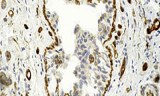
Frozen tissue sections, also referred to as cryosections, are thin sections prepared from frozen biological tissues, typically using a cryostat. They provide access to tissue architecture while enabling analysis of endogenous molecular targets for histology, immunohistochemistry (IHC), immunofluorescence (IF), in situ hybridization (ISH), and molecular analyses. Compared with some chemically fixed and paraffin-embedded preparations, frozen tissue processing avoids extensive chemical processing and cross-linking and can facilitate preservation or detection of certain proteins, lipids, and nucleic acids. However, morphology may be less well preserved than in optimally processed paraffin sections, and freezing, sectioning, and handling can introduce tissue artifacts.
Frozen tissue sections from different species support comparative and translational research using human and animal tissues, including models in neuroscience, cardiovascular research, oncology, developmental biology, and pathology. Cryosections are also widely used for spatially resolved molecular approaches, including RNA-FISH and spatial transcriptomics, allowing gene-expression measurements to be interpreted within their anatomical and cellular context.
Key Features
-
Preserved Tissue Architecture : Maintains tissue structure while providing accessibility to endogenous molecular targets.
-
Broad Staining Compatibility : Compatible with histological, immunohistochemical, and fluorescence-based staining methods.
-
Molecular Analysis Applications: Suitable for protein, RNA, DNA, and spatial molecular analyses.
-
Multi-Species Research : Suitable for tissues from multiple research species.
Typical Research Uses
-
Histology and tissue morphology.
-
Immunohistochemistry (IHC) and immunofluorescence (IF).
-
In situ hybridization (ISH) and fluorescence in situ hybridization (FISH) for RNA or DNA localization.
-
Spatial transcriptomics and spatial gene-expression mapping.
-
Comparative, translational, and preclinical tissue studies.