
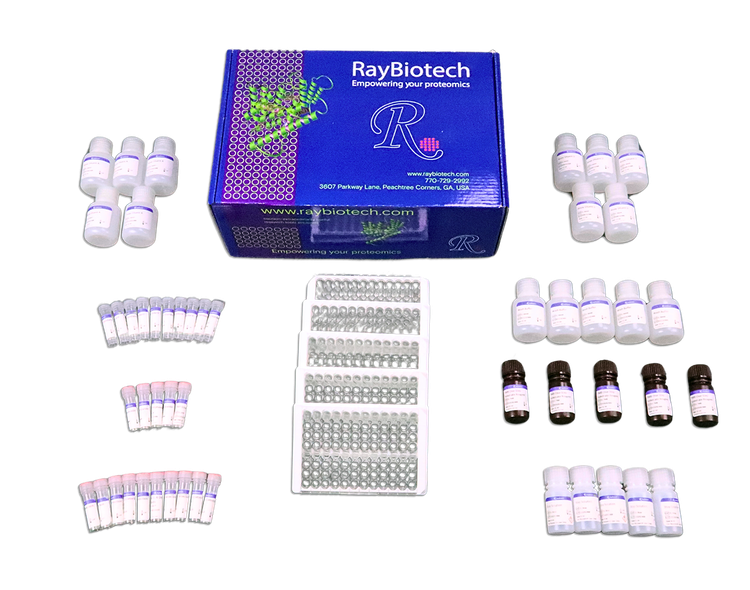
Human BDNF ELISA Kit

Cat# ELH-BDNF-5

Size : 5PlateKit

Brand : RayBiotech

Contact local distributor :


Phone : +1 850 650 7790

Human BDNF ELISA Kit

The RayBiotech BDNF ELISA kit is an in vitro enzyme-linked immunosorbent assay for the quantitative measurement of human BDNF in serum, plasma, and cell culture supernatant samples.

Lead time: Typically ships within 1-2 business days. No Friday shipments.
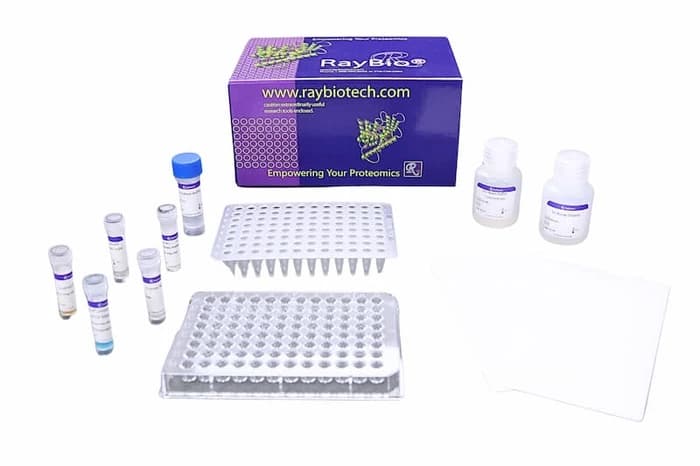
Contact Us for Bulk Request

Product Description

Specifications

Size1 Plate Kit, 2 Plate Kit, 5 Plate Kit
SpeciesHuman
Sensitivity
80 pg/ml

Need more sensitivity? Check out the new NexaTag® kit for this target. Still not enough? Then your answer is our Ultrasensitive Biomarker Testing Service powered by Simoa™ technology.

Detection Range
80 pg/ml - 16 ng/ml
Specificity
This ELISA kit shows no cross-reactivity with any of the cytokines tested: Human Angiogenin, BLC, ENA-78, FGF-4, IL-1 alpha, IL-1 beta, IL-2, IL-3, IL-4, IL-5, IL-7, IL-8, IL-9, IL-10, IL-11, IL-12 p70, IL-12 p40, IL-13, IL-15, I-309, IP-10, G-CSF, GM-CSF, IFN- gamma, Leptin, MCP-1, MCP-2, MCP-3, MDC, MIP-1 alpha, MIP-1 beta, MIP-1delta, PARC, PDGF, RANTES, SCF, TARC, TGF- beta, TIMP-1, TIMP-2, TNF- alpha, TNF- beta, TPO, VEGF.
Compatible Sample TypesCell Culture Supernatants, Plasma, Serum
Recommended Dilution (Serum/Plasma)
5 - 500 fold
Accession Number
P23560
Gene Id
627
Gene Symbols
BDNF
Protein Name / Synonyms
BDNF
Quantitative/Semi-QuantitativeQuantitative
Solid Support
96-well Microplate
Design PrincipleSandwich-based
Method Of DetectionColorimetric
Shipping TypeBlue ice
Storage≤-20°C

Product Features

  • Strip plates and additional reagents allow for use in multiple experiments
  • Quantitative protein detection
  • Establishes normal range
  • The best products for confirmation of antibody array data

Introduction

The BDNF ELISA employs an antibody specific for human BDNF coated on a 96-well plate. Standards and samples are pipetted into the wells and BDNF present in a sample is bound to the wells by the immobilized antibody. The wells are washed and biotinylated anti-human BDNF antibody is added. After washing away unbound biotinylated antibody, HRPconjugated streptavidin is pipetted to the wells. The wells are again washed, a TMB substrate solution is added to the wells and color develops in proportion to the amount of BDNF bound. The Stop Solution changes the color from blue to yellow, and the intensity of the color is measured at 450 nm.

Brain-derived neurotrophic factor (BDNF) is found in neurons of the central nervous system and is a member of the nerve growth factor family of proteins. It is expressed predominantly in hippocampus, cortex, and synapses of the basal forebrain. BDNF selectively supports the survival of primary sensory neurons and retinal ganglia. It supports survival and differentiation of certain cholinergic neurons and also some dopaminergic neurons in vitro. The factor inhibits the normal cell death of embryonic chick motor neurons. Expression of the BDNF gene is reduced in Alzheimer's, Parkinson's, and Huntington's disease patients. It may play a role in the regulation of the stress response and in the biology of mood disorders.

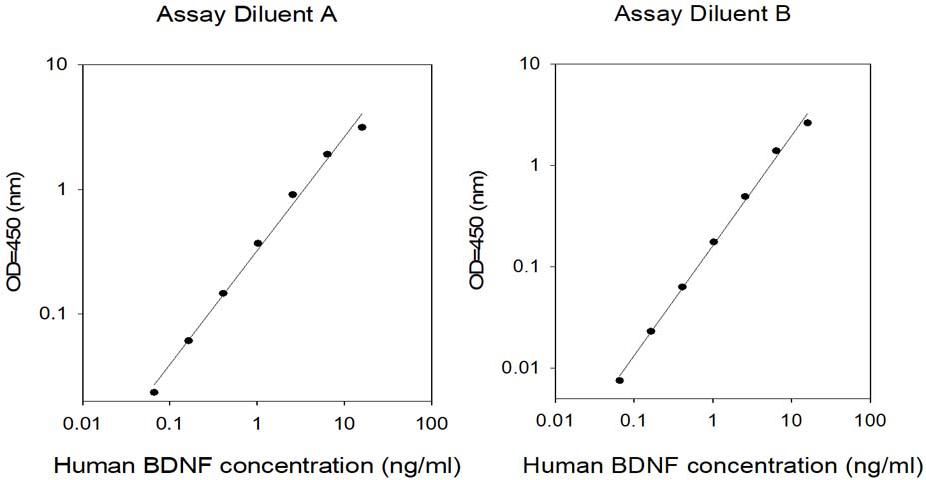
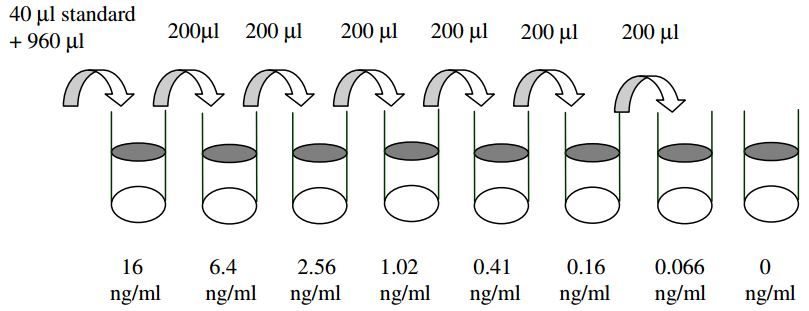
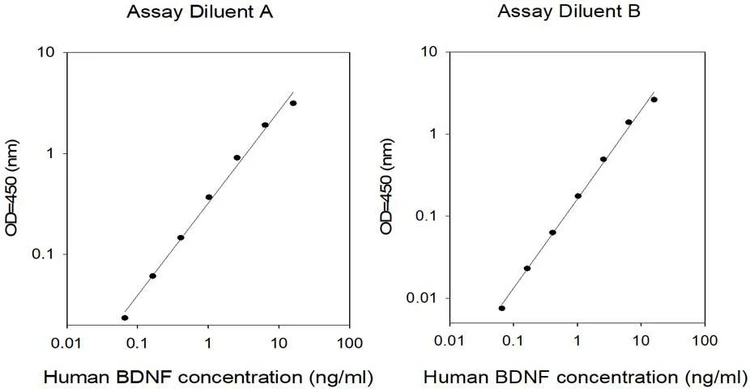
Standard Curves

ELISA Kit Standard Curve Figures

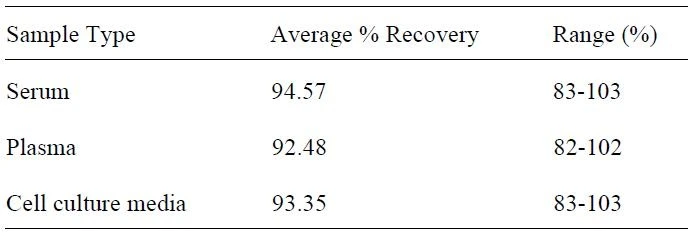
Spiking & Recovery Results

Sample Type Average % Recovery Range (%)
Serum 94.57 83-103
Plasma 92.48 84-102
Cell culture media 93.35 83-102

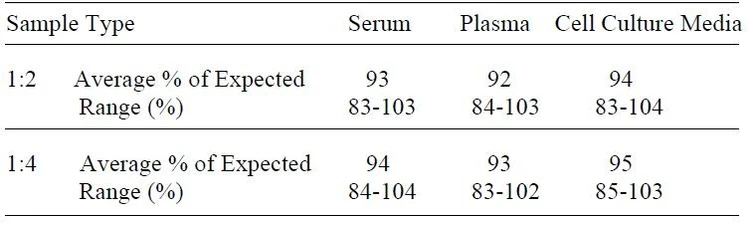
Linearity Results


Serum Plasma Cell Culture Media
1:2 Average % of expected
Range (%)
93
83-103
92
84-103
94
83-104
1:4 Average % of expected
Range (%)
94
84-104
93
83-102
95
85-103

Typical Data

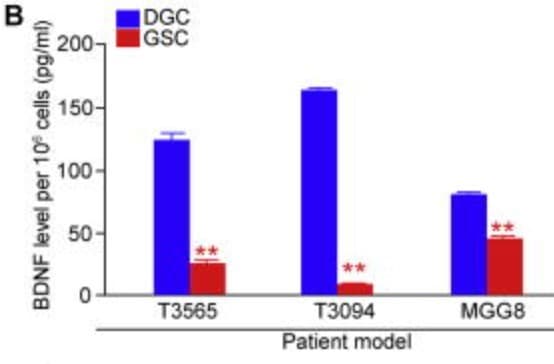
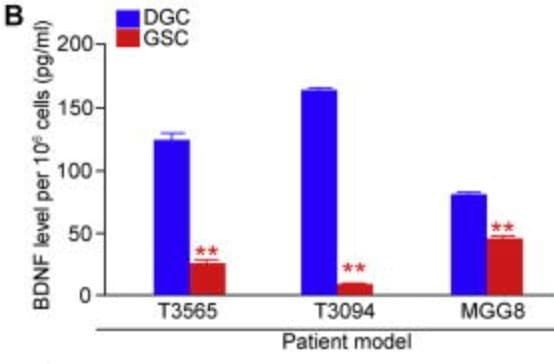
The ELH-BDNF ELISA Kit was used to quantify secreted BDNF protein levels in conditioned media from paired glioblastoma stem cells and differentiated tumor cells derived from primary human glioblastoma specimens. Figure adapted from Wang et al., Cell Stem Cell, 2018.


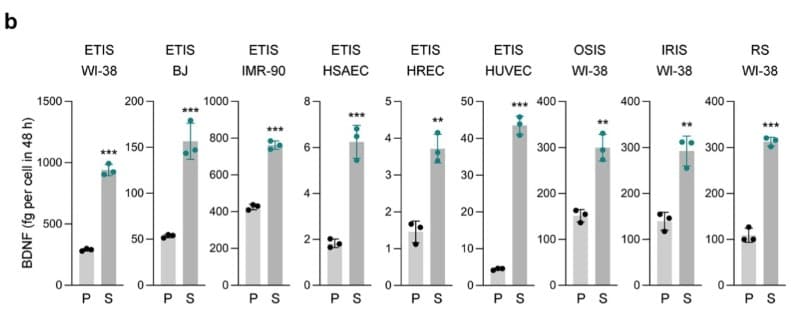
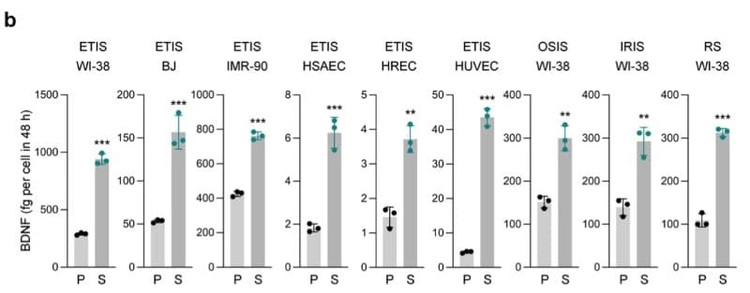
The ELH-BDNF ELISA Kit was used to quantify secreted BDNF protein levels in conditioned media collected from proliferating and senescent human cells. Figure adapted from Anerillas et al., Nature Communications, 2022.


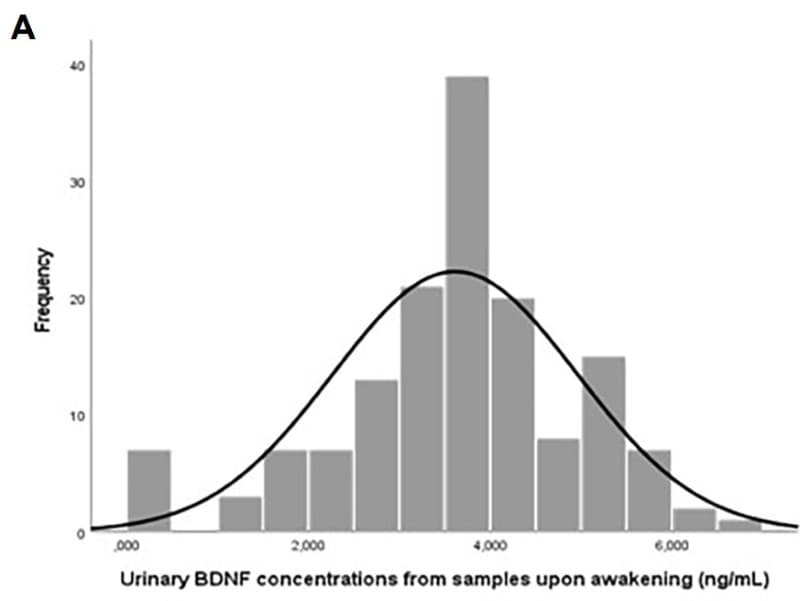
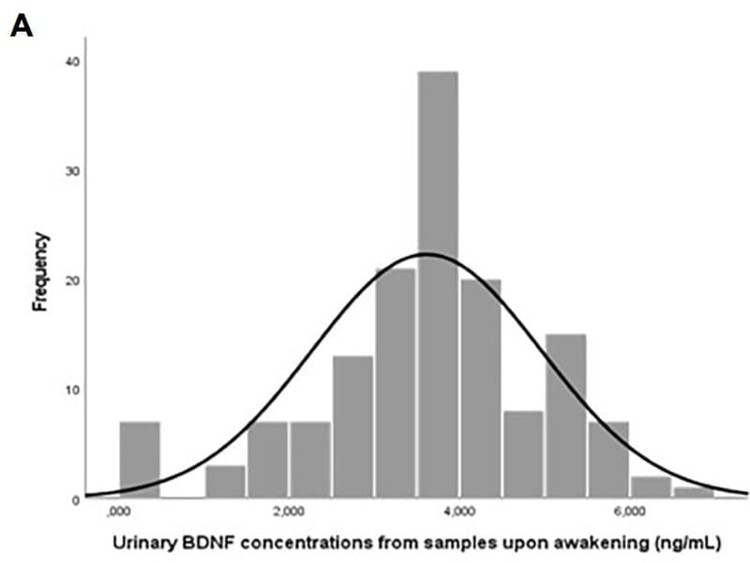
The ELH-BDNF ELISA Kit was used to quantify BDNF in human urine samples and was selected following comparative evaluation of multiple commercial ELISA kits for optimal sensitivity and reproducibility. Figure adapted from Olivas-Martinez et al., Frontiers in Molecular Neuroscience, 2023.


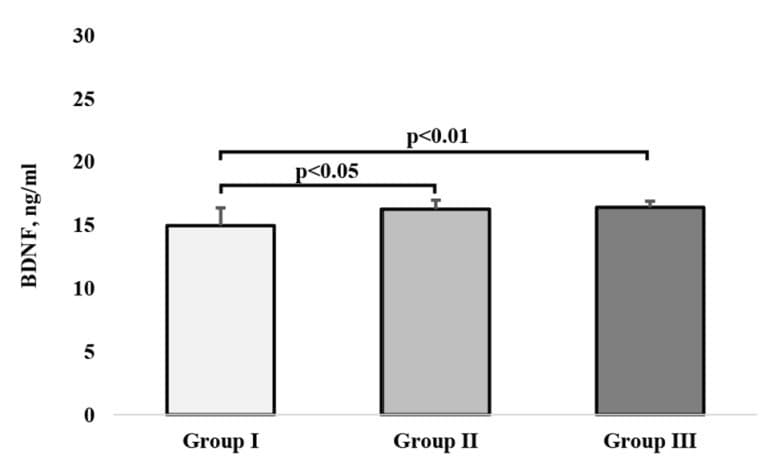
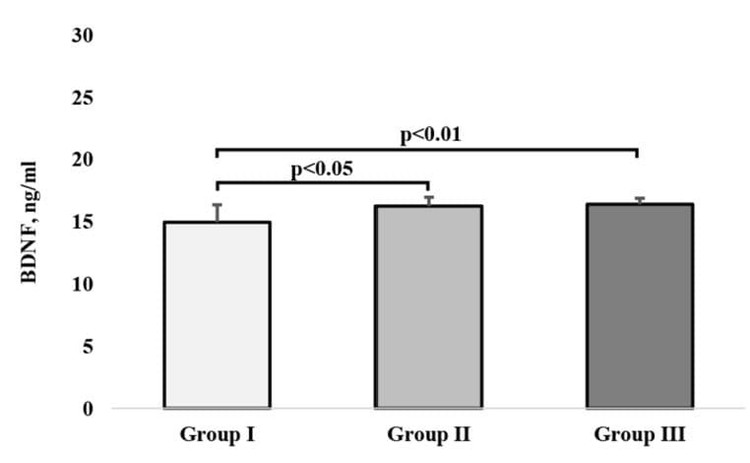
The ELH-BDNF ELISA Kit was used to quantify serum BDNF concentrations in older women grouped by daily physical activity levels. Figure adapted from Sadowska-Krępa et al., BMC Geriatrics, 2023.


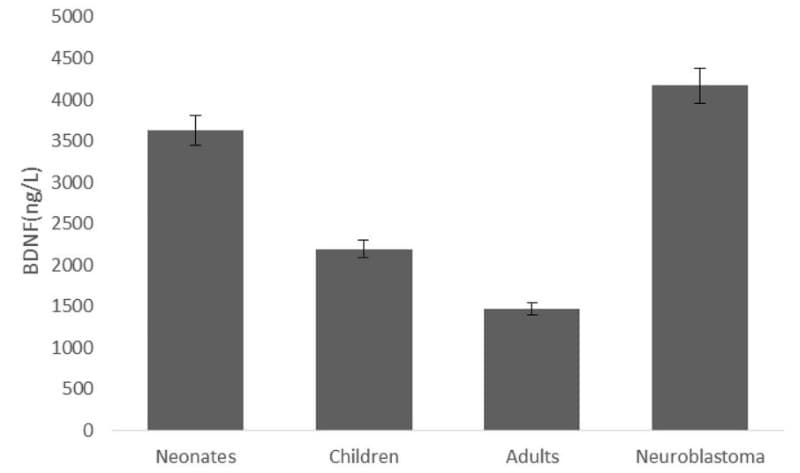
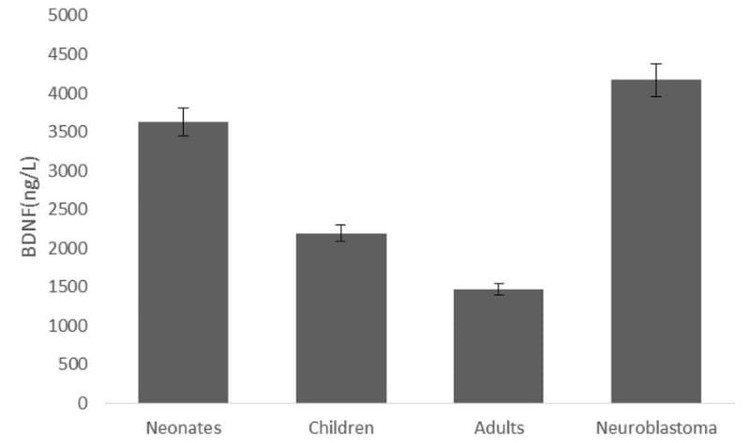
The ELH-BDNF ELISA Kit was used to quantify serum BDNF concentrations in neonates, healthy individuals, and pediatric neuroblastoma patients to evaluate associations with disease recurrence. Figure adapted from Xiong et al., BMC Cancer, 2023.

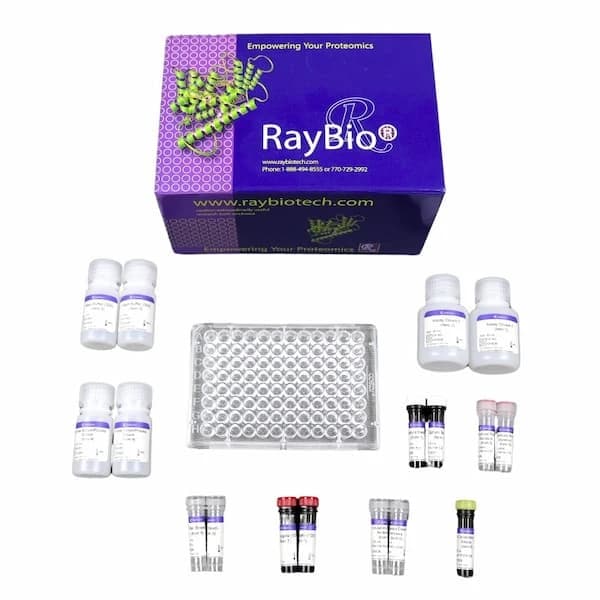
Kit Components

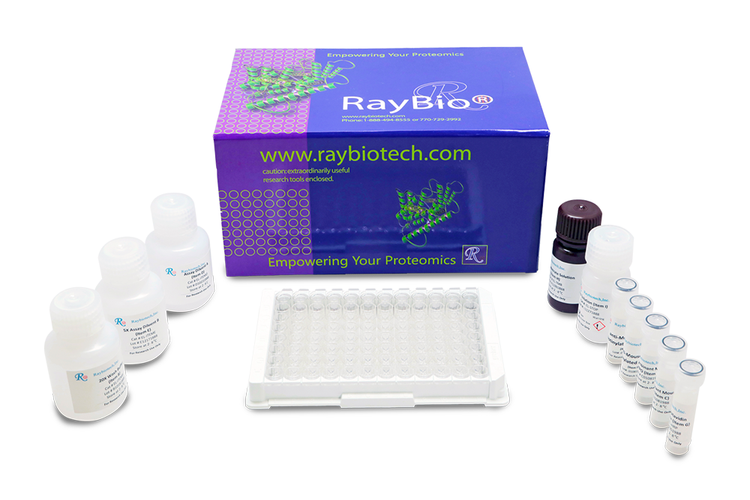
  • Pre-Coated 96-well Strip Microplate
  • Wash Buffer
  • Stop Solution
  • Assay Diluent(s)
  • Lyophilized Standard
  • Biotinylated Detection Antibody
  • Streptavidin-Conjugated HRP
  • TMB One-Step Substrate

Additional Materials Required

  • Distilled or deionized water
  • Precision pipettes to deliver 2 µL to 1 µL volumes
  • Adjustable 1-25 µL pipettes for reagent preparation
  • 100 µL and 1 liter graduated cylinders
  • Tubes to prepare standard and sample dilutions
  • Absorbent paper
  • Microplate reader capable of measuring absorbance at 450nm
  • Log-log graph paper or computer and software for ELISA data analysis

Assay Procedure Summary

  1. Prepare all reagents, samples and standards as instructed in the manual.
  2. Add 100 µL of standard or sample to each well.
  3. Incubate 2.5 h at RT or O/N at 4°C.
  4. Add 100 µL of prepared biotin antibody to each well.
  5. Incubate 1 h at RT.
  6. Add 100 µL of prepared Streptavidin solution to each well.
  7. Incubate 45 min at RT.
  8. Add 100 µL of TMB One-Step Substrate Reagent to each well.
  9. Incubate 30 min at RT.
  10. Add 50 µL of Stop Solution to each well.
  11. Read at 450 nm immediately.

Storage/Stability

The entire kit may be stored at -20°C for up to 1 year from the date of shipment. Avoid repeated freeze-thaw cycles. The kit may be stored at 4°C for up to 6 months. For extended storage, it is recommended to store at -80°C.

Customize This BDNF ELISA

We manufacture our ELISAs in-house, so we can build a custom version for your study.

  • Post-translational modifications (PTMs): Detect modified BDNF, including phosphorylation, acetylation, S-nitrosylation, S-acylation, oxidation, lactylation, sumoylation, ubiquitination, nitration, carbamylation, and more
  • Sample types: Validation in your matrix using samples you provide, such as CSF, urine, saliva, lysates, or exosomes
  • Also available: More sensitive platforms such as Simoa® and NexaTag®, multiplex panels, bulk lots, and other species when suitable reagents exist

Feasibility varies by target and modification, and we’ll tell you upfront what’s achievable.

Learn more about custom ELISA development

Customize This Human BDNF ELISA

We manufacture our ELISAs in-house, so we can build a custom version for your study.

  • Post-translational modifications (PTMs): Detect modified BDNF, including phosphorylation, acetylation, S-nitrosylation, S-acylation, oxidation, lactylation, sumoylation, ubiquitination, nitration, carbamylation, and more
  • Sample types: Validation in your matrix using samples you provide, such as CSF, urine, saliva, lysates, or exosomes
  • Also available: More sensitive platforms such as Simoa® and NexaTag®, multiplex panels, bulk lots, and other species when suitable reagents exist

Feasibility varies by target and modification, and we’ll tell you upfront what’s achievable.

Learn more about custom ELISA development

documents

Excel (Sandwich-ELISA-Analysis-Tool.xlsm)

citations

  • Associations between acrylamide and brain-derived neurotrophic factor levels in children in a European biomonitoring study

    Year:
    2026
    Journal Name:
    Environmental Research
    PubMed ID:
    42628669
  • Effects of neuroinflammation and neurotrophic factors on mental health of people with axial spondyloarthritis

    Species:
    Human
    Sample Type:
    Serum (axial spondyloarthritis patients)
    Year:
    2026
    Journal Name:
    Brain, behavior, & immunity - health
    PubMed ID:
    42253623
  • Integrated Chemometric and Machine Learning Analysis Identifies Peripheral Biosignatures Distinguishing Major Depressive Disorder from Bipolar Disorder: A Translational Cross-Sectional Study

    Species:
    Human
    Sample Type:
    Plasma (MDD vs bipolar disorder patients)
    Year:
    2026
    Journal Name:
    Medicina
    PubMed ID:
    42195059
  • Impact of Relapse in BDNF Receptors Expression in Patients With a First Episode of Schizophrenia

    Year:
    2025
    Journal Name:
    Schizophr Bull
    PubMed ID:
    39977257
  • Prenatal and childhood exposure to endocrine-disrupting chemicals and early thelarche in 8-year-old girls: A prospective study using Bayesian kernel regression

    Year:
    2024
    Journal Name:
    Environmental Research
    PubMed ID:
    39343343
  • Brain-derived neurotrophic factor levels and oxidative stress in autism: evidence from children and a mouse model

    Species:
    Human
    Sample Type:
    Plasma (children with autism and controls)
    Year:
    2025
    Journal Name:
    Journal of psychiatry & neuroscience : JPN
    PubMed ID:
    40713169
  • Cross-sectional association between brain-derived neurotrophic factor and intrinsic capacity in older adults: The mediating role of oxidative stress

    Species:
    Human
    Sample Type:
    Plasma (658 community-dwelling older adults)
    Year:
    2025
    Journal Name:
    The journal of nutrition, health & aging
    PubMed ID:
    40513379
  • LIPID PEROXIDATION, MMP-9 ACTIVITY, AND BDNF LEVEL IN PATIENTS WITH PARANOID SCHIZOPHRENIA DEPENDING ON THE DURATION OF THE DISEASE

    Species:
    Human
    Sample Type:
    Serum (blood serum)
    Year:
    2025
  • Recharging Healthcare Professionals: A Randomized Controlled Trial on the Impact of Automated Massage Chairs on Depression, Anxiety, Stress, Musculoskeletal Pain, and Biochemical Markers

    Species:
    Human
    Sample Type:
    Serum (healthcare professionals, massage chair RCT)
    Year:
    2025
    Journal Name:
    Health science reports
    PubMed ID:
    40959182
  • A BDNF-TrkB autocrine loop enhances senescent cell viability

    Species:
    Human
    Sample Type:
    small airway epithelial cells (HSAECs), renal mixed epithelial cells (HRECs), HUVEC cell, WI-38 cell, BJ cell, IMR-90 cell
    Year:
    2022
    Journal Name:
    Nature Communications

You might also be interested by the following products:


Cat#
Description
Cond.
Price Bef. VAT
Promotion
ELH-BDNF-1
 1PlateKit 
Promotion
ELH-BNGF-2
 2PlateKit 
Promotion
ELH-BNGF-5
 5PlateKit