

Recombinant Human C-C chemokine receptor type 8 (CCR8)-VLPs (Active) - Mammalian cell

Cat# CSB-MP004847HU-100ug
Size : 100ug
Brand : Cusabio
Contact local distributor :

Phone : +1 850 650 7790
| Abbreviation | Recombinant Human CCR8 protein-VLPs (Active) |
| MSDS | |
| Image | |
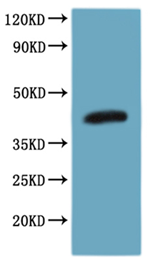
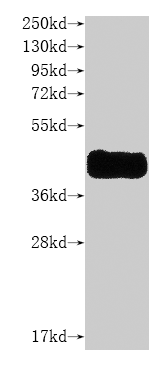
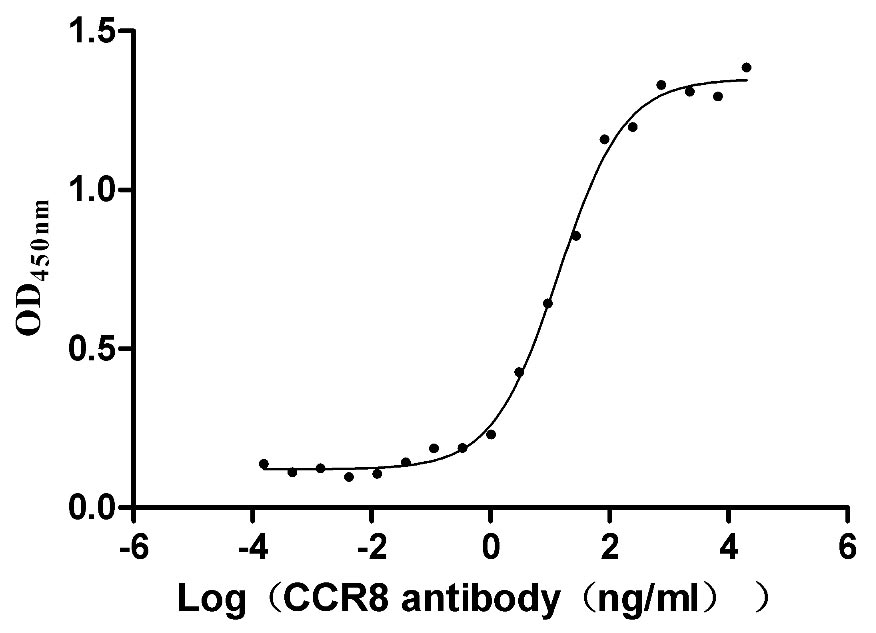
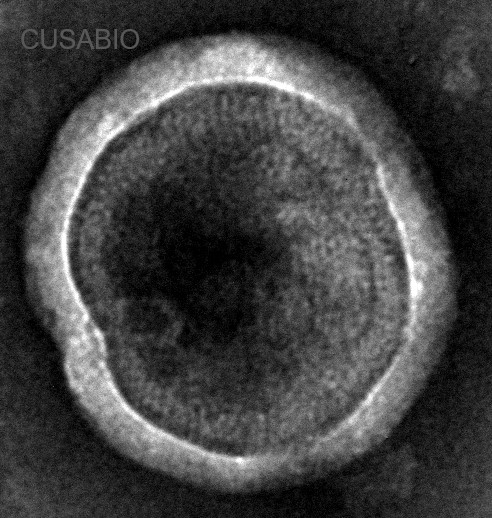
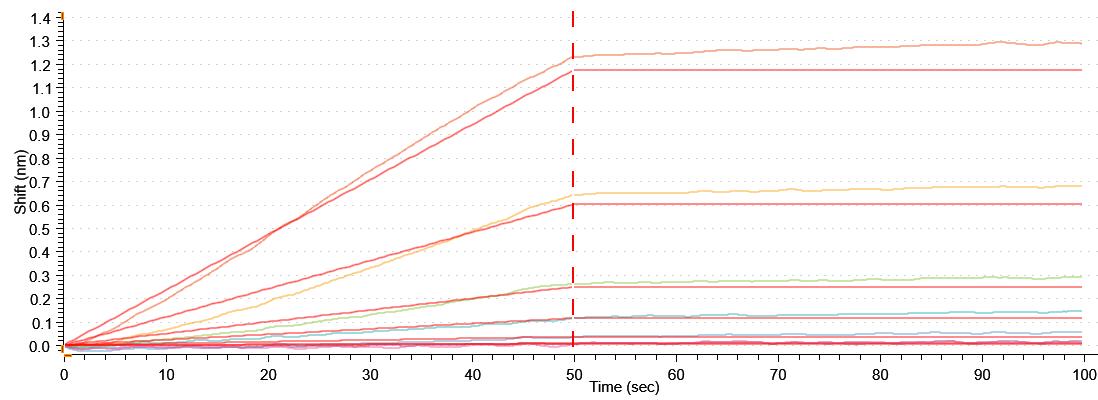
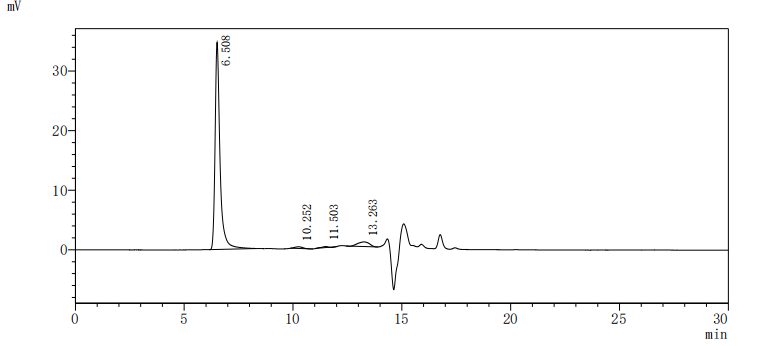
Product Details
Note: We will default ship it in lyophilized form with normal bule ice packs. However, if you request to ship in liquid form, it needs to be shipped with dry ice, please communicate with us in advance and extra fees for dry ice and dry ice box will be charged.
Generally, the shelf life of liquid form is 6 months at -20°C/-80°C. The shelf life of lyophilized form is 12 months at -20°C/-80°C.
Customer Reviews and Q&A
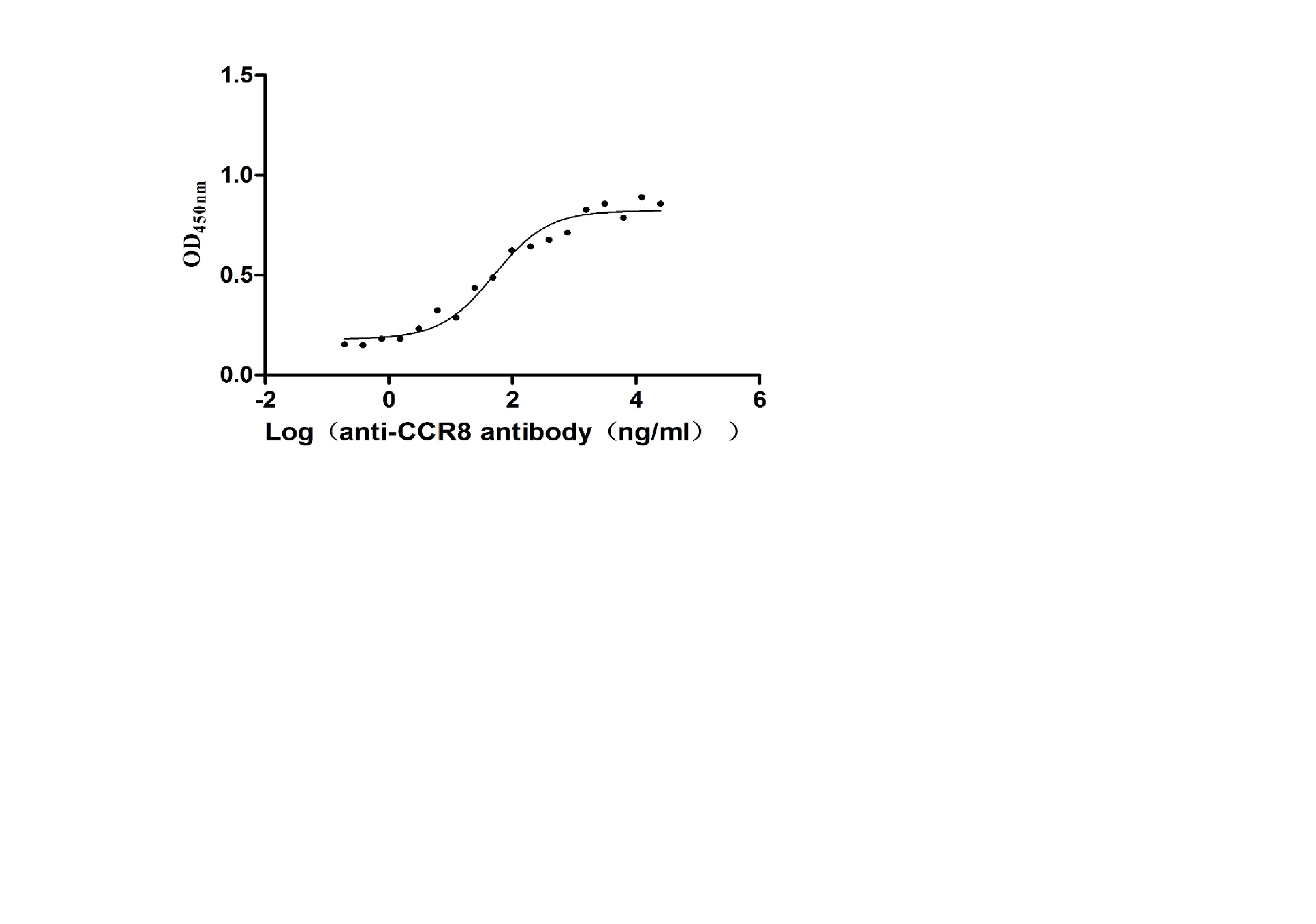
Applications : Drug related studies
Review: CCR8 is a multi-pass transmembrane protein, and expressing only its extracellular domain can disrupt its conformational epitopes, resulting in the loss of some antigenic epitopes. Your company has developed this full-length protein with good biological activity and immunogenicity. It will...
By Anonymous
I notice you provide CCR8 nanodiscs, could you inform me about the exposure of both the intracellular and extracellular domain? We would like to screen a panel of antibodies with potency for detecting either intracellular or extracellular epitopes of this target.
For a VLP, per definition the intracellular domain is not exposed, as I am aware of, which is not ideal for our purpose.
Target Background
- Authors demonstrate the pivotal role of CCR8(+) Treg cells in restraining immunity and highlight the potential clinical implications of this discovery.
- Role of Conserved Disulfide Bridges and Aromatic Residues in Extracellular Loop 2 of Chemokine Receptor CCR8 for Chemokine and Small Molecule Binding.
- High CCR8 expression is associated with high recurrence in kidney cancer.
- findings suggest that CCR8 expression in ALCL is more closely related to the presence of DUSP22 rearrangements than to cutaneous involvement and that the function of CCR8 may extend beyond its skin-homing properties in this disease
- Epidermal-derived vitamin D3 metabolites and prostaglandins provide an essential cue for the localization of CCR8+ immune surveillance T cells within healthy human skin.
- CCL1-CCR8 interaction may play a critical role in lymphocytic recruitment in IgG4-related sclerosing cholangitis and type 1 autoimmune pancreatitis, leading to duct-centred inflammation and obliterative phlebitis.
- Identification of human CCR8 as a CCL18 receptor.
- CCR8(+) myeloid cell subset is expanded in patients with cancer.
- Data show that CCR8 expression by newly activated naive T cells is regulated by skin-specific factor(s) derived primarily from epidermal keratinocytes.
- C-terminal clipping of chemokine CCL1/I-309 enhances CCR8-mediated intracellular calcium release and anti-apoptotic activity
- The functional data from human macrophages suggest a potential cross talk between the CCR8 and the Toll-like receptor 4 (TLR4) pathways, both of which are present in chronic obstructive pulmonary disease patients.
- There may be a role for CCR8 in the recruitment of T cells to the lung in asthmatics.
- CCR8 mediates rescue from dexamethasone-induced apoptosis via an ERK-dependent pathway
- found in the central nervous system and is associated with phagocytic macrophages
- CCR8 genes and surrounding genomic regions these genes are the result of the duplication of an ancestral gene prior to the divergence of teleost fish.
- Transfected human CCR8-dependent activation of the RAS/MAPK pathway mediates anti-apoptotic activity of I-309/ CCL1 and vMIP-I.
- The induction of CCR8 under conditions associated with vascular smooth muscle cell proliferation and migration raises the possibility that CCR8 may play an important role in vessel wall pathology.
- the axis CCL1-CCR8 links adaptive and innate immune functions that play a role in the initiation and amplification of atopic skin inflammation
- CCR8 ligands are allotropic, binding to distinct sites within CCR8; the human immune system may have evolved to use CCL7 as a selective antagonist of viral chemokine activity at CCR8 but not those of the host ligand
- CCR8 is expressed by a small and heterogeneous population of peripheral blood CD4 memory T cells enriched in T helper type 2 (Th2) effector and T regulatory (Treg) cells.
- CCR8-expressing CD4-positive T lymphocytes are preferentially recruited from the periphery into the lungs of asthmatic individuals, driven by elevated CCL1 levels produced almost exclusively by mast cells and basophils.
- The combination of 17beta-E(2) with the environmental pollutant TCDD is involved in the pathogenesis of endometriosis via up-regulating the chemokine CCR8-I-309.
HGNC:
OMIM:
KEGG:
STRING:
UniGene: