

Biovalley > TNFA Antibody - C-terminal region
TNFA Antibody - C-terminal region

Cat# ARP44316_P050
Size : 100ul
Contact local distributor :

Phone : +1 850 650 7790
Brand : Aviva Systems Biology
Contact local distributor :
Phone : +1 850 650 7790
Bulk
Order
Order
Aviva's
Satisfaction
Guarantee
Satisfaction
Guarantee
Contact Us:
- Toll Free: 888-880-0001
- Phone: 858-552-6979
- Email: info@avivasysbio.com
Shipping Info:
- : Antibody & Protein in US
- + /Kit in US
- Contact us for international orders.
TNF Antibody - C-terminal region (ARP44316_P050)
Click here to learn more about Aviva's By-Request Conjugation Service.
| Datasheets/Manuals | Printable datasheet for anti-TNF (ARP44316_P050) antibody |
|---|
| Tested Species Reactivity | Human |
|---|---|
| Predicted Species Reactivity | Human, Mouse, Rat, Cow, Dog, Goat, Guinea Pig, Horse, Rabbit, Sheep |
| Product Format | Liquid. Purified antibody supplied in 1x PBS buffer with 0.09% (w/v) sodium azide and 2% sucrose. |
| Clonality | Polyclonal |
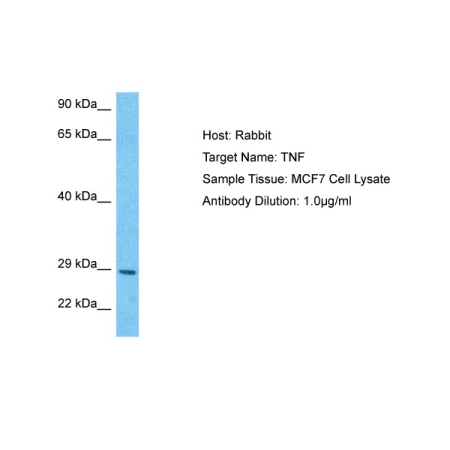
| Host | Rabbit |
| Application | WB |
| Reconstitution and Storage | For short term use, store at 2-8C up to 1 week. For long term storage, store at -20C in small aliquots to prevent freeze-thaw cycles. |
| Immunogen | The immunogen is a synthetic peptide directed towards the C-terminal region of Human TNFA |
| Purification | Affinity Purified |
| Predicted Homology Based on Immunogen Sequence | Cow: 93%; Dog: 100%; Goat: 93%; Guinea Pig: 93%; Horse: 100%; Human: 100%; Mouse: 100%; Rabbit: 100%; Rat: 100%; Sheep: 93% |
| Peptide Sequence | Synthetic peptide located within the following region: AVSYQTKVNLLSAIKSPCQRETPEGAEAKPWYEPIYLGGVFQLEKGDRLS |
| Concentration | 0.5 mg/ml |
| Blocking Peptide | For anti-TNF (ARP44316_P050) antibody is Catalog # AAP44316 |
| Gene Symbol | TNF |
|---|---|
| Gene Full Name | tumor necrosis factor |
| Alias Symbols | DIF, TNFA, TNFSF2, TNLG1F, TNF-alpha |
| NCBI Gene Id | 7124 |
| Protein Name | tumor necrosis factor |
| Description of Target | This gene encodes a multifunctional proinflammatory cytokine that belongs to the tumor necrosis factor (TNF) superfamily. This cytokine is mainly secreted by macrophages. It can bind to, and thus functions through its receptors TNFRSF1A/TNFR1 and TNFRSF1B/TNFBR. This cytokine is involved in the regulation of a wide spectrum of biological processes including cell proliferation, differentiation, apoptosis, lipid metabolism, and coagulation. This cytokine has been implicated in a variety of diseases, including autoimmune diseases, insulin resistance, and cancer. Knockout studies in mice also suggested the neuroprotective function of this cytokine. |
| Uniprot ID | P01375 |
| Protein Accession # | NP_000585 |
| Protein Size (# AA) | 233 |
| Molecular Weight | 25kDa |
| Protein Interactions | LAMP2; CASP8; RNF8; FADD; RIPK1; TRADD; UBE2N; UBC; TRAF2; TNFRSF1A; RAB5A; HNRNPA1; CHUK; PSMD9; OTULIN; RNF31; TNFRSF1B; NFKBIA; LYN; FYN; YWHAQ; ZFP36; OPTN; RBCK1; IKBKG; TNFAIP3; HNRNPD; ELAVL1; SHARPIN; AGO2; HSPB2; HSPB1; MAP3K7; IKBKB; TAB2; TAB1; |
Protein interactions
| Name | # of Products |
|---|---|
| ADAM17 | 58 |
| ADAM9 | 77 |
| BGN | 69 |
| BIRC2 | 191 |
| BTRC | 289 |
| CAV1 | 348 |
| CDC42 | 228 |
| CHUK | 193 |
| CSF1 | 61 |
| DCN | 101 |
| FAS | 111 |
| FBXW11 | 145 |
| HSP90B3P | 29 |
| HSPB1 | 98 |
| HSPB2 | 56 |
| IFNG | 75 |
| IKBKB | 287 |
| IKBKG | 419 |
| MAP3K7 | 189 |
| MMP17 | 32 |
| PDIK1L | 29 |
| POU | 29 |
| PRTN3 | 98 |
| RAC1 | 285 |
| RBCK1 | 70 |
| RIPK1 | 179 |
| RNF31 | 43 |
| TAB1 | 148 |
| TAB2 | 76 |
| TBK1 | 158 |
| TNF | 213 |
| TNFAIP3 | 141 |
| TNFRSF1A | 185 |
| TNFRSF1B | 70 |
| TNIP1 | 45 |
| TRADD | 157 |
| TRAF2 | 432 |
| UBC | 7030 |
| UBE2N | 169 |
Biological pathways
| Name | # of Products |
|---|---|
| Activation of cysteine-type endopeptidase activity involved in apoptotic process | 193 |
| Activation of MAPK activity | 317 |
| Activation of MAPKKK activity | 44 |
| Anti-apoptosis | 727 |
| Cellular response to nicotine | 38 |
| Chronic inflammatory response to antigenic stimulus | 33 |
| Embryonic digestive tract development | 59 |
| Induction of apoptosis via death domain receptors | 84 |
| Induction of necroptosis by extracellular signals | 44 |
| Leukocyte tethering or rolling | 56 |
| Necrotic cell death | 45 |
| Negative regulation of branching involved in lung morphogenesis | 29 |
| Negative regulation of cytokine secretion involved in immune response | 90 |
| Negative regulation of fat cell differentiation | 103 |
| Negative regulation of interleukin-6 production | 98 |
| Negative regulation of lipid catabolic process | 87 |
| Negative regulation of lipid storage | 119 |
| Negative regulation of viral genome replication | 72 |
| Positive regulation of calcidiol 1-monooxygenase activity | 61 |
| Positive regulation of chemokine biosynthetic process | 61 |
| Positive regulation of chemokine production | 128 |
| Positive regulation of cytokine secretion | 124 |
| Positive regulation of ERK1 and ERK2 cascade | 194 |
| Positive regulation of fever generation | 60 |
| Positive regulation of heterotypic cell-cell adhesion | 35 |
| Positive regulation of I-kappaB kinase/NF-kappaB cascade | 414 |
| Positive regulation of membrane protein ectodomain proteolysis | 87 |
| Positive regulation of NFAT protein import into nucleus | 29 |
| Positive regulation of NF-kappaB import into nucleus | 114 |
| Positive regulation of NF-kappaB transcription factor activity | 346 |
| Positive regulation of nitric oxide biosynthetic process | 220 |
| Positive regulation of osteoclast differentiation | 112 |
| Positive regulation of peptidyl-serine phosphorylation | 168 |
| Positive regulation of podosome assembly | 49 |
| Positive regulation of protein complex disassembly | 29 |
| Positive regulation of smooth muscle cell proliferation | 123 |
| Positive regulation of transcription from RNA polymerase II promoter | 1210 |
| Positive regulation of vitamin D biosynthetic process | 55 |
| Protein import into nucleus, translocation | 102 |
| Receptor biosynthetic process | 57 |
| Regulation of insulin secretion | 182 |
| Response to glucocorticoid stimulus | 111 |
| Response to salt stress | 40 |
| Response to virus | 401 |
| Sequestering of triglyceride | 36 |
| Transformed cell apoptosis | 42 |
| Tumor necrosis factor-mediated signaling pathway | 59 |
Biological process
| Name | # of Products |
|---|---|
| Activation of cysteine-type endopeptidase activity involved in apoptotic process | 100 |
| Activation of MAPK activity | 105 |
| Activation of MAPKKK activity | 12 |
| Anti-apoptosis | 239 |
| Apoptotic process | 586 |
| Calcium-mediated signaling | 37 |
| Cell activation | 16 |
| Cellular response to amino acid stimulus | 46 |
| Cellular response to nicotine | 9 |
| Cellular response to organic cyclic compound | 58 |
| Chronic inflammatory response to antigenic stimulus | 6 |
| Defense response to Gram-positive bacterium | 45 |
| Embryonic digestive tract development | 26 |
| Epithelial cell proliferation involved in salivary gland morphogenesis | 16 |
| Extracellular matrix organization | 77 |
| Extrinsic apoptotic signaling pathway | 11 |
| Glucose metabolic process | 107 |
| Humoral immune response | 51 |
| Induction of apoptosis | 226 |
| Induction of apoptosis by extracellular signals | 104 |
| Induction of apoptosis via death domain receptors | 21 |
| Induction of necroptosis by extracellular signals | 8 |
| Inflammatory response | 339 |
| Leukocyte tethering or rolling | 15 |
| Lipopolysaccharide-mediated signaling pathway | 48 |
| MAPK cascade | 105 |
| Multicellular organismal development | 896 |
| Necrotic cell death | 9 |
| Negative regulation of apoptotic process | 356 |
| Negative regulation of branching involved in lung morphogenesis | 5 |
| Negative regulation of cell proliferation | 375 |
| Negative regulation of cytokine secretion involved in immune response | 13 |
| Negative regulation of fat cell differentiation | 35 |
| Negative regulation of gene expression | 70 |
| Negative regulation of glucose import | 10 |
| Negative regulation of growth of symbiont in host | 32 |
| Negative regulation of interleukin-6 production | 29 |
| Negative regulation of L-glutamate transport | 3 |
| Negative regulation of lipid catabolic process | 21 |
| Negative regulation of lipid storage | 8 |
| Negative regulation of transcription from RNA polymerase II promoter | 574 |
| Negative regulation of transcription, DNA-dependent | 520 |
| Negative regulation of viral genome replication | 24 |
| Organ morphogenesis | 132 |
| Positive regulation of calcidiol 1-monooxygenase activity | 16 |
| Positive regulation of chemokine (C-X-C motif) ligand 2 production | 8 |
| Positive regulation of chemokine biosynthetic process | 27 |
| Positive regulation of chemokine production | 34 |
| Positive regulation of chronic inflammatory response to antigenic stimulus | 6 |
| Positive regulation of cytokine production | 17 |
| Positive regulation of cytokine secretion | 38 |
| Positive regulation of ERK1 and ERK2 cascade | 103 |
| Positive regulation of fever generation | 19 |
| Positive regulation of hair follicle development | 8 |
| Positive regulation of heterotypic cell-cell adhesion | 6 |
| Positive regulation of humoral immune response mediated by circulating immunoglobulin | 13 |
| Positive regulation of I-kappaB kinase/NF-kappaB cascade | 160 |
| Positive regulation of interferon-gamma production | 61 |
| Positive regulation of interleukin-6 production | 63 |
| Positive regulation of interleukin-8 biosynthetic process | 11 |
| Positive regulation of JNK cascade | 68 |
| Positive regulation of MAP kinase activity | 56 |
| Positive regulation of membrane protein ectodomain proteolysis | 25 |
| Positive regulation of mitosis | 50 |
| Positive regulation of necrotic cell death | 5 |
| Positive regulation of neuron apoptosis | 53 |
| Positive regulation of NFAT protein import into nucleus | 6 |
| Positive regulation of NF-kappaB import into nucleus | 30 |
| Positive regulation of NF-kappaB transcription factor activity | 135 |
| Positive regulation of nitric oxide biosynthetic process | 53 |
| Positive regulation of osteoclast differentiation | 39 |
| Positive regulation of peptidyl-serine phosphorylation | 63 |
| Positive regulation of podosome assembly | 14 |
| Positive regulation of programmed cell death | 9 |
Cellular components
| Name | # of Products |
|---|---|
| Cell surface | 369 |
| External side of plasma membrane | 261 |
| Extracellular region | 1573 |
| Extracellular space | 884 |
| Integral to plasma membrane | 817 |
| Intracellular | 1678 |
| Membrane raft | 140 |
| Phagocytic cup | 11 |
| Plasma membrane | 2678 |
| Recycling endosome | 29 |
Protein function
| Name | # of Products |
|---|---|
| Cytokine activity | 1104 |
| Identical protein binding | 1130 |
| Protease binding | 376 |
| Protein binding | 12191 |
| Transcription regulatory region DNA binding | 657 |
| Tumor necrosis factor receptor binding | 237 |
-
 TNFA Antibody (OACD07850)Catalog #: OACD07850Application: ICC|IHC|IP|WBFormat: Liquid. PBS, pH7.4, containing 0.02% NaN3, 50% glycerol.
-
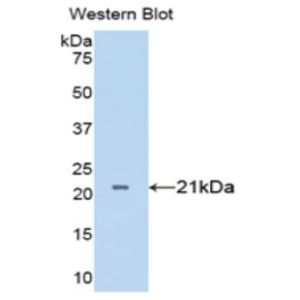 TNFA Antibody (OACD07851)Catalog #: OACD07851Application: ICC|IHC|IP|WBFormat: Liquid. 0.01M PBS, pH7.4, containing 0.05% Proclin-300, 50% glycerol.
-
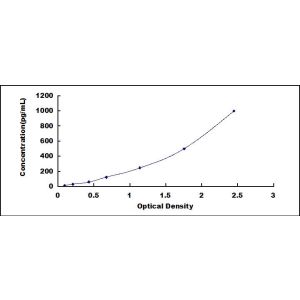 TNFA ELISA Kit (Mouse) (OKCD04202)Catalog #: OKCD04202Application: ELISA-SandwichKit Range: 15.6-1,000pg/mLSensitivity: 6.1 pg/mL
-
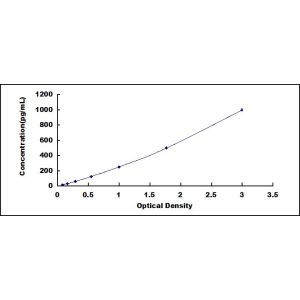 TNFA ELISA Kit (Rat) (OKCD04203)Catalog #: OKCD04203Application: ELISA-SandwichKit Range: 15.6-1,000pg/mLSensitivity: 6.1 pg/mL