

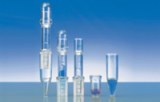
Centrifugal urine concentrators are specialized ultrafiltration devices widely used in clinical biochemistry laboratories to concentrate dilute urinary proteins. By rapidly enriching low-abundance macromolecules, these devices facilitate downstream analytical techniques such as electrophoresis, immunoassays, and mass spectrometry, improving the detection and characterization of clinically relevant biomarkers present in urine samples.
Concentration Mechanism
During centrifugation, hydrostatic pressure forces solvent molecules and low-molecular-weight solutes through a semi-permeable ultrafiltration membrane characterized by nanoscale pores (approximately 2–5 nm). Macromolecules larger than the membrane’s MWCO are retained within the concentrator, while smaller molecules pass into the filtrate.
Vertical membrane configurations and thin-channel designs reduce membrane fouling and maintain filtration efficiency, enabling rapid concentration factors of up to 100-fold within 15 to 45 minutes. In urinary protein analysis, membranes with a 10 kDa cutoff are frequently selected because they effectively retain albumin and immunoglobulin fragments while allowing small metabolites such as urea and creatinine to pass through for complementary biochemical assays.
Clinical Applications
Centrifugal urine concentrators are extensively used to improve the sensitivity of diagnostic assays. For example, they facilitate the detection of free immunoglobulin light chains by immunofixation electrophoresis (IFE), a technique commonly employed for multiple myeloma diagnostics where native urine samples may contain protein concentrations below detectable thresholds.
Additional applications include the enrichment of infectious disease biomarkers such as Legionella pneumophila antigens, the isolation of cerebrospinal fluid (CSF) biomarkers for neurological studies, and the preparation of extracellular vesicles (EVs) from urine using higher MWCO membranes such as 100 kDa. Compared with passive or static concentration methods, centrifugal ultrafiltration significantly accelerates processing time and improves laboratory throughput.