

Endotoxin removal resins
The endotoxins are small hydrophobic molecules, lipopolysaccharides (LPS), associated with the outer membranes of certain microorganisms and more particularly the Gram-negative bacteria (Brucella, Neisseria, Vibrio ...). These small thermostable molecules are not secreted but are released only when the cells are destroyed. In large quantities, endotoxins can cause haemorrhagic shock and acute diarrhea, lower levels may cause fever, lower resistance to bacterial infections, leukopenia followed by leukocytosis and other biological effects, depending of organism and its physiological conditions.
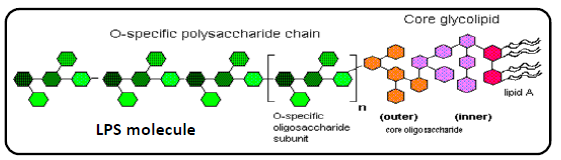
Small amounts of endotoxins in recombinant protein or antibody production can cause tissue damage and even death of the host organism. Endotoxins should therefore be removed from drugs, injectables and other biological products in order to avoid these effects.
The effects of endotoxins vary from one organism or cell type to another. This is due to the different cellular responses to endotoxins. The critical level of endotoxins is therefore very variable according to the organisms or cell types, which is why it is preferable to have an endotoxin level as low as possible.