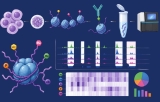

Epigenetics studies stable, heritable alterations in gene expression that do not involve changes to the underlying DNA sequence. These modifications create functional diversity across cell types and respond dynamically to environmental cues.
Core Epigenetic Mechanisms
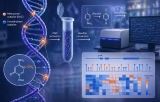
- DNA Methylation: Adds methyl groups to cytosine residues in CpG dinucleotides, primarily mediated by DNA methyltransferases (DNMT1 for maintenance, DNMT3a/b for de novo methylation). Hypermethylation at promoters represses transcription by blocking transcription factor binding and recruiting methyl-CpG-binding domain proteins that compact chromatin.
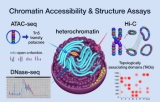
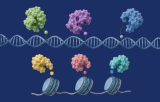
- Histone Modifications: Include acetylation (HATs), methylation (HMTs), phosphorylation, ubiquitination, and sumoylation on lysine, arginine, and serine residues. Histone acetylation (H3K9ac, H3K27ac) loosens chromatin structure, promoting transcription, while H3K9me3 and H3K27me3 marks mediate heterochromatin formation.
- Non-coding RNAs: Long non-coding RNAs (lncRNAs) and microRNAs (miRNAs) regulate gene expression post-transcriptionally. lncRNAs scaffold chromatin-modifying complexes, while miRNAs induce mRNA degradation or translational repression.
- Nucleosome Remodeling: ATP-dependent complexes such as SWI/SNF and ISWI reposition nucleosomes to expose or occlude regulatory elements.
Developmental Roles
- Epigenetic Reprogramming: Establishes cellular identity during embryogenesis. Pluripotency genes such as Oct4 and Nanog maintain open chromatin in embryonic stem cells via bivalent domains (H3K4me3/H3K27me3), allowing rapid activation or repression.
- X-Chromosome Inactivation: One X chromosome in female mammals is transcriptionally silenced through Xist lncRNA coating, which recruits PRC2 (H3K27me3) and DNA methylation machinery.
- Genomic Imprinting: Parent-of-origin-specific gene silencing is controlled by differential methylation regions (DMRs), regulating approximately 100 human genes involved in growth and metabolism.